

How to Survive a Car Brake Failure Yuma Honda
Your car’s brakes are your first defense line against traffic fatalities. However, even the best car brakes have limited durability. Over time, brakes wear out and stop working if you do not prioritize dealing with them. This situation is called brake failure, and it is pretty frightening and dangerous.
Brake failure can be very sudden and deadly. Nobody wants to imagine their car not stopping, especially when driving at freeway speeds. Fortunately, brake failure is rare today because modern vehicles have extensive features that guarantee the occupants’ safety. However, there are always exceptions. This article will expose you to the likely causes of brake failure, signs that your brakes might fail, and how to survive a brake failure in these rare exceptions. Read ahead!
The Common Causes of Brake Failure
Brake failure is pretty deadly as it leads to several death cases yearly. The following are the seven major causes of brake failure:
Owner’s Negligence
Negligence is the most common cause of brake failure. Like many other automobile parts, brakes have a limited lifespan and should be regularly examined for wear. The lifespan of your brake shoes and pads will reduce if you constantly stop and go in cities. Although many brake shoes and pad brands boast high durability, the estimate is based on typical driving conditions.
Damaged Rotor Disks
Damaged rotor disks on your wheel can reduce the lifespan of your brake pads, causing stopping difficulty. When your brake pads are replaced, ensure to have your rotor disks smoothed by a professional mechanic.
Overheating Brake Pads
The car brake pads overheat due to excessive use. When this happens, they become brittle or stiff. The hardening reduces the ability of brake pads to grip the wheel rotor disk properly, thus increasing braking distance.
Driving Through Mud or Water
Drive cautiously in wet conditions when your wheels are submerged in water. The reason is that when you drive through water or mud, the required friction in the brake pads and rotor disks will reduce. Try tapping the brakes mildly to remove excess water and re-establish the friction between the rotor disks and brake pads.
Leaking Hydraulic Fluid
Oil and other hydraulic fluid can leak from your engine or brake lines. When you notice that stopping is difficult, examine your brakes to eliminate contaminants from a leaking hydraulic line.
Loss of Hydraulic Brake Fluid Pressure
This condition will reduce your ability to stop quickly. If you perceive that your brakes are not working or are working modestly, tap your brakes severally to force fluid throughout the brake system. Although this technique stops your car, you should not use it unless necessary.
Vehicle Overloading
Load your car as recommended by the owner’s manual. Otherwise, it will affect its ability to stop and can lead to brake system failure.
Signs of a Brake Failure
When you begin to notice the following signs, you should get to safety and go for a car brake service as soon as possible:
- An increase in braking distance hints that your brakes may be struggling, making it longer to stop the vehicle.
- If your brake pads feel unusual, like jumpy or mushy, there is a problem.
- Unusual sounds like grinding noises from your brakes are signs of brake malfunction.
- Sometimes, your brakes can fail without any warning and give no response when you press the brake pedal. This situation is an obvious sign of car brake problems.
What to Do When Your Brakes Fail
Having observed the causes and signs of brake failure. Let’s move on to what you should do when your car’s brake fails:
Stay Calm
Staying calm when your vehicle suddenly refuses to come to a stop is easier said than done. Nonetheless, it would be best if you avoided panicking, which will cause you to make erratic movements, swerve, and make dangerous decisions.
Remove Your Foot from the Gas
When pressing the brake, you’ve probably removed your foot from the gas pedal. However, you might start pressing any pedal your legs can touch when you are in a panic. Taking your foot off the gas pedal can help you slow down.
Attract Attention to Yourself
Turn on hazard lights and honk to warn other drivers that you are having a problem. You might also choose to flash your lights. They may not respond but will get out of your way.
Feel for Objects Under Your Brake Pedal
Sometimes, brake failures can occur because of objects under the brake pedal. Put your foot under the pedal and kick out any object under there. Objects like cups and bottles can get behind the brake pedal, making it impossible to depress it.
Don’t Turn off the Vehicle
Only turn off the ignition once your vehicle has stopped entirely. If you turn it off, you might lose the ability to steer while moving.
Don’t Go into Reverse or Park
You will only waste time going into reverse or park as it will not help and may be impossible. It might even cause you to lose control of your car.
Drive up a Hill
Drive to a hill or any upward slope to slow your car down. Moreover, you must be careful of the hill so you won’t roll back down.
Apply Steady Pressure to the Brake Pedal
If you have anti-lock brakes, you can get them working by activating the anti-lock braking system (ABS). It will pump the brakes and build pressure to get them working. ABS brakes do not lock up, so you must give them firm, steady pressure.
Use Your Engine Brakes
Shifting into a lower gear can slow the vehicle when driving a manual. Press the clutch and slowly shift into the lower gears; the engine will slow the vehicle down. If you drive an automatic, move from D to 3, 2, and 1 to limit the gear and slow the car down.
Carefully Apply the Emergency Brakes
The emergency brake can stop the car in an emergency. It is best to use it when your car has slowed down because when used at high speeds, it can cause your car to spin or skid off the road. Press the brake release button when applying the emergency brake so you can quickly release it if the brakes lock up.
Conclusion
Brake failure is one of the primary causes of traffic fatalities. But thankfully, such fatalities have reduced in recent years due to extensive safety features fitted into modern cars. Nonetheless, car brakes not working correctly can be salvaged if you follow the life-saving tips mentioned above.
You should check your brake system constantly for wear to ensure safe driving. If you want to order brake pads replacement and other car parts, you can visit our website at Yuma Honda. We provide quality car parts, efficient car servicing, and affordable used and new cars.
Key Takeaways:
- If the engine belt is loose, your car will make a screeching noise.
- Rattling car noises are often caused by something loose in the engine. It could be caused by a heat shield or a damaged piston.
- A power steering fluid leak is a critical issue and should be fixed as soon as possible by a qualified mechanic.
- Yuma Honda has factory-trained and experienced technicians, so they know how to get the job done quickly and correctly
Have you ever been driving along & suddenly; your car makes a noise that sounds like it’s coming from the depths of hell? It can be really spooky, especially if you don’t know what it means.
But don’t worry; we’re here to help you figure out what those spooky car noises mean & whether or not you should worry about these noises.
-
Screeching Noise When Starting the Engine
If your car is making a screeching noise when you start the engine, it could be a sign that your engine’s belt is either loose or damaged. The belt helps to drive the accessories in your engine, like the alternator, water pump, and power steering pump.
If the belt is loose, it can slip and cause many problems. If it’s damaged, it can break and leave you stranded.
-
Hissing Noise Due to Leaks
Several things can cause a hissing car noise, but the most common culprit is a leak in the cooling system. This could be a radiator hose that has sprung a leak or a problem with the water pump. If you hear this noise, it’s critical to get your car to a mechanic as soon as possible so they can fix the leak and top off the coolant.
-
Rattling Noise When The Car Is Idle
If your car rattles when idling, it could be a sign that your engine is misfiring. The engine misfires when the air/fuel mixture in the cylinders is ignited unevenly. This can happen for many reasons, like a dirty air filter or spark plugs. If the problem is intense, it can cause damage to your catalytic converter.
Rattling car noises are often caused by something loose in the engine. It could also be caused by a heat shield or a damaged piston.
-
Clunking Noise When Shifting Gears
A few different things could be causing a clunking noise when you shift gears. Low transmission fluid or a loose engine mount can cause these car noises. It could be due to a damaged gearbox or worn-out bearings. If the problem is with your transmission, you’ll likely need to have it serviced by a professional mechanic.
However, if the problem is with your engine mounts or bearings, you may be able to fix it yourself. In either case, it’s important to diagnose the problem as soon as possible to prevent further damage.
Related: How car service makes your car perform better?
-
Clicking Noise When Turning
The clicking noise when turning is due to a problem with your CV joints. The CV joints are located at the end of the axles and allow the wheels to turn while the suspension is moving up and down. If they’re damaged, you may hear a clicking noise when you turn the steering wheel. In some cases, the CV joints may also cause the wheels to feel loose. If you think your CV joints are the problem, it’s best to take them to a professional mechanic to have them checked out.
-
Grinding Noise When Braking
A problem with brake pads or rotors may cause a grinding noise. The brake pads are responsible for providing friction to stop the wheels from turning, while the rotors are what the pads press against to create that friction. If either of these engine bay components is damaged or worn out, it can cause a grinding car noise when you brake. In some cases, the problem may be able to be fixed by simply replacing the brake pads. However, if the rotors are damaged, they will also need to be replaced.
-
Whistling Noise While Driving
Your car’s belts may be the culprit behind the whistling car noise. The belts in your car are responsible for powering various components, such as the alternator, air conditioning compressor, and power steering pump. If one of these belts is loose, it can cause a whistling noise. You might be able to fix it by simply tightening or replacing the affected belt.
-
Rumbling Noise While Driving
If you hear rumbling while driving, there are several possible causes. One possibility is that your car needs an oil change. When motor oil gets old, it can start to break down and form sludge. This sludge can build up in your engine and cause a rumbling noise.
Exhaust leaks may cause it. Such leaks allow deadly carbon monoxide fumes to enter your car’s cabin. If you suspect an exhaust leak, get it fixed immediately by a qualified mechanic.
-
Squeaking Noise When Turning the Steering Wheel
If you hear a squeaking sound emanating at the turn of a steering wheel, it’s most likely due to an issue with your power steering system. Power steering uses hydraulic fluid to make it easier to turn the steering wheel. If there’s a leak in the system, you’ll hear a squealing noise when you turn the steering wheel. You may notice that it’s hard to turn the steering wheel than usual. A power steering fluid leak is serious and should be fixed as soon as possible by a qualified mechanic.
-
Clicking Noise When Turning the Steering Wheel
The clicking car noise when you turn the steering wheel, it’s most likely due to a problem with your CV joint. The CV joint allows the wheels to turn while the car is moving. If there’s damage to the CV joint, you’ll hear a clicking noise when you turn the steering wheel.
A lack of lubrication can cause this damage, so make sure to have your mechanic check the CV joint and add lubrication if necessary.
-
Squeaking Noise When Turning the Steering Wheel
If you hear squeaking when you turn the steering wheel, it might be due to a loose belt. The belts in your car engine are used to drive various components, such as the alternator, water pump, and power steering. If one of these belts is loose, it will squeal when the engine is running. You should have a professional mechanic tighten or replace the belt as soon as possible.
Read: 10 car sounds you should never ignore!
Conclusion
If your Honda is making any of these spooky noises, don’t ignore it! These could be serious problems that will only worsen the longer you wait. Take your car to a nearby dealership or a professional mechanic to have it checked out and repaired if necessary.
You’re driving a Honda, so you’re doing something right. But even the best of us needs a little help from time to time. That’s why we offer auto service at our Yuma Honda, serving Yuma, AZ, dealership.
We want to keep your car operating like new for as long as possible, and that means proper maintenance is key. Bring it into our auto service center & let us take care of everything – from oil changes to major repairs.
Our professional mechanics are factory trained and very experienced, so they know how to get the job done quickly and correctly. Plus, we only use OEM parts and accessories in our repairs, so you can be sure your car will stay in top condition for years to come.
Schedule an appointment with us today! We’ll get you back on the road in no time.
Key Takeaways:
- Current auto market trends are very favorable towards used car buyers & sellers.
- Regular auto maintenance, be it DIY or at a local dealership, can save you much in the long run & enhance your car’s value on resale.
- Certain practices & auto mods are essential in enhancing & maintaining your car’s value.
- Always consult an auto technician before you make any significant auto mods to enhance the value of your car for resale – not all mods are beneficial.
- Never alter or conceal the vehicle history details, as it can negatively impact your car’s resale value.
There is an insane list of things to keep in mind while maintaining your car’s value for later resale or trade-in plans. Regardless of a car’s value zeroing out after a decade of use, your car can still sell out at a reasonable price if you have been dedicated to a car care routine. Oh, you think we’re baiting you? Let’s back up the benefits of a car sale with the current auto market trends.
Car Ownership Trends Are Evolving.
People are leaning towards car leasing & used car buying more than considering outright auto financing.
71{0000de51c6c4c2cbc9e2e5b1f82e1b6f6ef093a955a2578688e5a3ee1cb0c22d} of auto buyers focus on car prices as the trigger point for more consideration regarding a car sale – new car prices are a deterrent.
Online car buying is an increasing norm across North American & European nations concerning used car sales because people in the middle-income strata find it affordable, trustworthy, & convenient.
Nearly 48{0000de51c6c4c2cbc9e2e5b1f82e1b6f6ef093a955a2578688e5a3ee1cb0c22d} of car owners reported lapsing their car maintenance routines because of the pandemic. Still, an astounding 49{0000de51c6c4c2cbc9e2e5b1f82e1b6f6ef093a955a2578688e5a3ee1cb0c22d} are already into auto maintenance to preserve their car’s value.
Nearly 69{0000de51c6c4c2cbc9e2e5b1f82e1b6f6ef093a955a2578688e5a3ee1cb0c22d} of Americans reported in 2019 that they would opt for a used car for their next car purchase – in 2022, used car sales have topped 43 million, nearly 3 times more than new car sales!
How Do You Benefit From This Information?
If you are an existing car owner and want to sell your car to invest in a newer or different model, the market trends are in your favor. The catch is that you must be a dedicated player in maintaining your car’s value for resale.
If you are regular with your car care routine, all is well. If you have lapsed a bit, a mix of DIY & professional auto servicing will spruce up your car for sale in as little time as possible.
But there are things you must avoid doing to your car if you want your car to reap a worthy value on resale.
Also, read: 5 Reasons You Should Prefer a Dealership’s Auto Shop!
Maintaining Your Car’s Value – The 7 Don’ts Of Auto Value Care
-
Don’t Cheap Out On Maintenance
Wash & wax your car to the extent that you can see your reflection on the trunk. If you think a cheap wash & wax shampoo will cut it DIY – you’re in for many expenses for body paint restoration. Auto services might look expensive, but it takes only two professional wax coats to last a year. That’s better than repetitive DIY car wax disasters that will cost you longer.
-
Don’t Ignore Vehicle Aesthetics
Avoid using those telemarketer magic scratch erasers, DIY enamel, or resin to fill out deeper scratches that have cut through the paint. Let a body shop PDR the heck out of them. You can work on polishing the alloy wheels, rims, and plastic car trims, buffing the headlights & tail lights. Ensure the car’s exterior is decent for its age. Aesthetics are crucial to a used car sale markup.
-
Don’t Forgo Regular Deep Clean
Car interiors can become a hotbed for germs if not cleaned out thoroughly. If you want your car to rank high on resale in the future, you better start budgeting for a wet & dry vacuum service at your local dealership once every couple of months. That way, you get fresh & fragrant interiors.
If you want to do some cleaning yourself, you can invest in a car vacuum for the interiors. Or you can pop the hood and wash the engine bay. We have a DIY guide laid out just for you!
-
Don’t Misplace Auto Documentation
If you want to avoid awkward questions during the sale, you better document all of your car’s history. Yes, Carfax does record your car’s servicing history. Still, suppose you want a more accurate record of how well you have been maintaining your car’s value. In that case, you keep all your service receipts, MOT, auto logs & maintenance documents in one place.
-
Don’t Trust Private Hagglers
It’s good practice to have an auto mechanic regularly sound your car so you know it is performing optimally. Now, sometimes private buyers might try to undermine the rightful vehicle markup and offer you a lesser sum than the car is worth. Trust your research and avoid getting into haggling.
-
Don’t Smoke In The Vehicle
Nicotine & smoke deposits do take their toll on the interior of a car. You might not notice it until you do – the upholstery is coated in strange yellow grime that’s easy to remove. It’s the smell you won’t be able to get rid of.
Buyers, even authorized local dealerships, will knock off a couple of hundred dollars for a clean car that smells like a cigarette factory. Even the HVAC is affected by the cigarette smoke deposits.
-
Don’t Lie On The Forms
If you have all your car documents and bodywork history, and your car suffered an accident that required reworking – don’t conceal that fact. Carfax reports indicating accident/collision history can affect resale prices. Still, it’s better to come clean about it rather than leave it to capable auto technicians to catch you lying on the forms. That can lead to sale cancelation altogether.
How To Enhance The Resale Markup On Your Car?
Not all auto mods add value to a car or enhance its value. So, if you need to boost the resale value of your car with aftermarket accessories or changes, these are the safest approaches:
- Invest in an infotainment system with a GPS. Preferably Apple CarPlay compatible.
- Switch out the old tires with weather-specific types or opt for an eco-range.
- Switching the old terry for leather upholstery with interior lighting is a valuable mod.
- Electric or power window upgrades or motorized side-view mirrors are ideal upgrades.
- Add a dashcam with a GPS mount, which might make your buyer’s day.
You might hear about how adding a body kit can enhance a car’s value. Still, the truth is that it suits certain cars, usually the sports or performance categories.
Consult with our auto technicians & mechanics before you proceed with such a major modification. The same is advised for engine performance modifications.
Also, read: Are Modified Automobiles Worth the Money?
Sell or Trade-In?
If that question bothers you, the simplest way to resolve it is to find the utility in both options with respect to maintaining your car’s value. In a resale, you can sell to a private buyer, an individual, a friend, or an authorized local dealership. Only one of these is going to benefit you in a secure sale with minimal haggling, and you already know which one it is.
In a trade-in, you might be duped by a private buyer. Still, an authorized dealership will recognize your car’s value and help you put it up as a down payment for a new car or a lease, or it might be good enough for a switch!
Need Car Service? Need To Trade In A Car? You’re Welcome Here!
Yuma Honda, serving Yuma, AZ, deals in an outstanding range of new Honda, used vehicles, and breath-taking CPOs. We also have a fully-loaded auto center with trained auto technicians. We also cater to bad-debt financing for aspiring car owners. If you have a date with a car resale, we can help spruce your ride up for an impression that rakes in thousands. And, we’ll take your car in for a profitable trade-in if you visit us for a consult!
Get in touch with us or schedule a service; we’d be happy to help you get the most out of your car resale!
Antifreeze and Coolant: What Do They Do?
Key Takeaways:
- Radiator fluids are important to prevent engine overheating.
- Antifreeze is added to water to create a coolant solution that will lower the freezing point of the water and raise the boiling point.
- There are two different types of coolant: traditional & extended-life.
- It’s important to follow proper procedures when adding coolant to prevent damage.
- Lack of coolant checkups results in severe engine issues & seizures.
There are all sorts of radiator fluids out there – knowing a little bit about radiator fluid can favorably extend the life of your car and keep it running smoothly. So, what exactly is radiator fluid, and what does it do? Radiator fluid, also called coolant or antifreeze, is a liquid that helps remove heat from your engine.
As your engine runs, it produces a lot of heat. NADA Guides state that you cannot run a car for more than five minutes without coolant. The radiator fluids circulate through the engine, absorbing the heat and then carrying it away to the radiator, where it’s cooled down. This process keeps your engine from overheating, which can lead to serious damage.
Now let’s talk about the two main terms we hear about radiator fluids: antifreeze and coolant. Although they are used interchangeably, there’s a difference between the two!
Now let’s talk about the two main terms that we hear when we talk about radiator fluids: antifreeze and coolant. Although they are used interchangeably, there’s a difference between the two!
The Difference Between Antifreeze and Coolant
Antifreeze is a substance that helps to prevent engine overheating by regulating the flow of coolant. It’s an ethylene-glycol solution that prevents freezing (as the name ANTIFREEZE suggests).
Coolant is a 50/50 mixture of antifreeze & distilled water. It’s a fluid that helps to transfer heat away from engine parts.
While antifreeze is necessary for preventing engine overheating, coolant is necessary for keeping the engine at a consistent temperature.
This mixture of antifreeze & water (called coolant) provides the best protection against overheating and freezing. However, it’s important to consult your vehicle’s owner manual before adding any fluids to your engine because the wrong mixture can do more harm than good.
What Are the Different Types of Coolant?
There are two main types of coolant: traditional green coolant and extended-life coolant.
- Traditional green coolant is typically a mix of ethylene glycol and water.
- Extended-life coolants use propylene glycol and include corrosion inhibitors.
Extended-life coolants can last up to five years or 150,000 miles without needing to be replaced. Traditional coolants must be replaced every two years or 30,000 miles.
If you’re unsure which coolant to use, check your vehicle’s owner’s manual or ask a qualified mechanic.
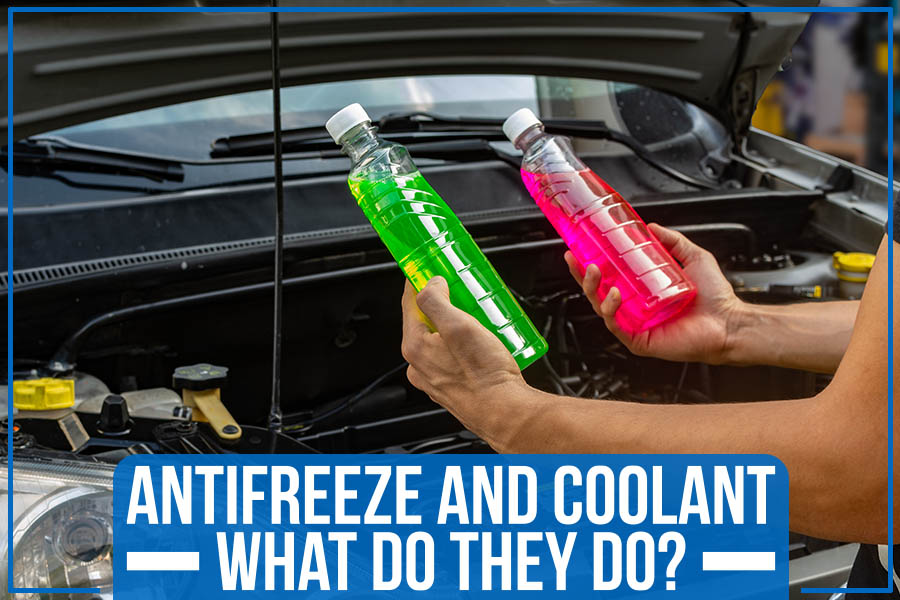
What Do Different Colors of Coolant Identify?
Different coolant colors identify the chemical makeup of the coolant and how they should be used. The different colors can help you choose the right coolant for your car.
-
Blue coolant is typically used in European cars.
-
Red coolant is typically used in Asian cars.
-
Green coolant is used in American cars.
What Are Some Tips for Properly Adding Coolant?
When adding coolant, it’s important to follow the proper procedure to avoid damaging your engine.
- First, make sure the engine is cool before opening the radiator cap. If the engine is hot, wait until it cools down before continuing.
- Once the engine has cooled down sufficiently, remove the radiator cap & slowly add the coolant to the radiator.
- Be careful not to overfill it; the coolant should only come up to the level of the radiator opening.
- Once you’ve added the coolant, replace the radiator cap and start the engine. Let it throttle for a few minutes, then check the level again and add more coolant if necessary.
What Are Some of The Dangers of Not Keeping Your Antifreeze or Coolant Levels Up to Par, And How Can You Avoid Them Altogether?
Did you know that if your car overheats just once, it can cause irreversible damage to the engine? Not to mention, it can also cause the radiator and hoses to crack. And we all know how expensive car repairs can be. The best way to avoid all this is to simply keep an eye on your antifreeze or coolant levels and top them off when necessary. It’s a small price to pay for peace of mind and a healthy car.
-
Your Engine Could Freeze Up
If your antifreeze or coolant levels are low, your engine could freeze and resist ignition. This is particularly dangerous in cold weather, as a frozen coolant in engine & radiator hoses generate internal stresses that can damage the engine block. Not only will this leave you stranded, but with a cracked engine that will need to be replaced!
To avoid this, check your antifreeze or coolant levels regularly and top them up if necessary.
-
Your Car Could Overheat
When your antifreeze or coolant levels are low, your car could overheat. This is especially dangerous in hot weather, as an overheated engine is at risk of seizure.
To avoid this, make sure to keep an eye on your temperature gauge and pull over if it starts to climb too high.
-
You Could End Up with a Cracked Engine Block
You could also end up with a cracked engine block if you are careless about your coolant levels. This is because when the coolant freezes, it expands and puts pressure on the engine block. Over time, this can cause the engine block to crack!
To avoid this, keep your antifreeze or coolant levels topped up year-round, especially in the winter.
FAQs About Antifreeze and Coolant – Answered!
-
How Often Should You Replace Your Antifreeze/Coolant?
Most carmakers recommend changing your coolant every 30,000 miles or every two years, whichever comes first. Extended-life coolant has a lifespan of 150,000 miles, but most traditional coolants last for a maximum span of five years.
-
What Are the Signs to Replace Your Coolant?
You can usually tell when it’s time to replace your antifreeze/coolant with its color. If it’s cloudy or rusty, it’s time for a change.
You should also be on the lookout for leaks. A small leak might not seem like a big deal, but it can quickly lead to engine damage if left unchecked. So, if you’re due for a coolant change or suspect your coolant is leaking, take your car to a mechanic & have them check it out.
-
How Much Will It Cost You to Change Coolant?
The cost to change coolant depends on a few factors, such as the type of antifreeze and the amount you need. Generally, you must pay between $50 and $200 for a typical antifreeze change.
Conclusion
Antifreeze/Coolant prevents your engine from overheating in summer and freezing in winter by lowering the freezing point of the water and raising the boiling point. It is important to keep your coolant fresh and at the correct level and to keep an eye out for leaks.
Yuma Honda, serving Yuma, AZ, has the best car service center in Arizona. There are many benefits of dealership service centers over independent repair shops. If unaware of these benefits, come to our dealership and see for yourself!
Whether you need radiator fluid change, coolant flush service, or full repair – we have expert mechanics to assess your situation and provide the best solution!
Leasing vs. Financing a Car: The Pros and Cons
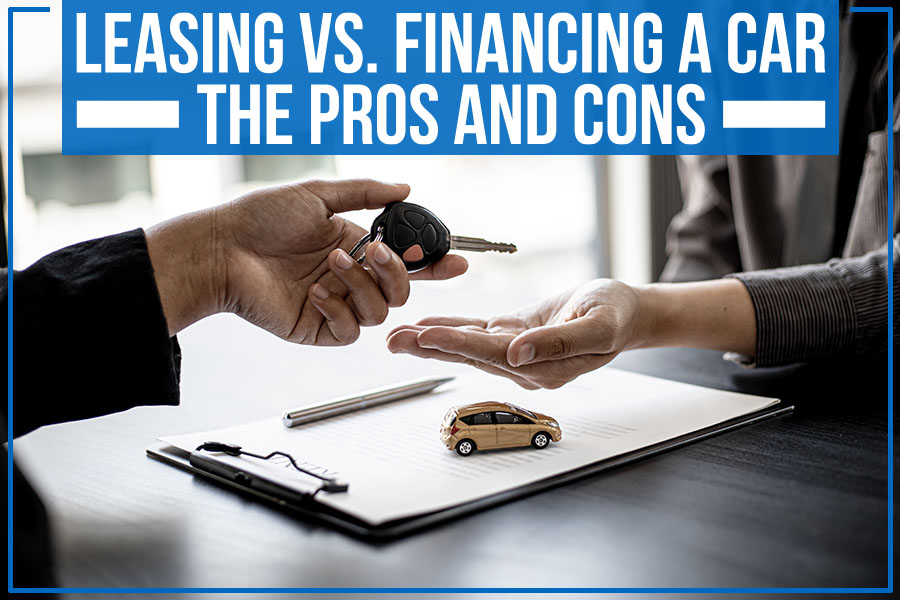
There are two car purchasing options other than outright buying: leasing or financing. Both options have their good & bad, so deciding which is best for you can be tough.
In this blog post, Yuma Honda, serving Yuma, AZ, will look at the pros and cons of leasing vs. financing a car. By the end, you’ll be able to apprehend if leasing or financing is right for you. Let’s get started!
What Should I Know About Leasing a Car?
Leasing a car is essentially renting it from the dealership for a set time, typically two to four years. You’ll make monthly payments during that time, but at the end of your lease, you won’t own the car outright – you’ll either need to return it to the dealership or buy it from them.
What To Consider When Leasing a Car:
There are several things you must bear in mind when considering leasing a car:
- You’ll need to put down a security deposit, typically equivalent to one month’s worth of payments.
- You may be charged for surpassing mileage if you exceed the agreed-upon limit.
- You’ll need to get the car inspected and serviced regularly to avoid additional charges.
- You may be required to get gap insurance, which covers the difference between what you owe on the car and its actual value if it’s totaled in an accident.
Pros of Leasing a Car:
- You can book a new car every few years without worrying about selling or trading your old one.
- Your lease payments will be lower than if you were financing a car.
- You’ll have the option to buy the car at the end of the lease term if you decide to keep it.
Cons of Leasing a Car:
- You’ll never own the car since you’re only leasing it.
- You might be liable for some extra fees if you exceed the allotted miles for your lease.
- You’ll need regular maintenance and repairs to keep the car in good condition.
Leasing a Car: Step-By-Step Process
If you’re thinking about leasing a car, here’s a step-by-step guide to help you through the process:
Step One: Do Your Research
Before shopping for a car, it’s crucial to research and figure out what kind of car you want and need. Once you know what you’re looking for, you can start shopping at different dealerships. Choosing a dealership can benefit you in more ways than one.
To learn more, check out our blog, “Choose a Dealership to Repair and Service Your Car!“
Step Two: Find a Lease Deal
Once you’ve found a few potential cars you’re interested in leasing, it’s time to start looking for lease deals. Many dealerships will offer special leasing deals on certain models of cars, so be sure to ask about any offers that might be available.
Step Three: Calculate the Total Cost
Before you sign on the dotted line, calculate the cost of leasing a vehicle. That includes the down payment, monthly payments, and any additional costs or charges that may be linked with the lease. You can compare this information to the price of financing a car to see which one is best for you.
What Should I know about Financing a Car?
When you finance a car, you’re essentially taking out a loan to pay for the vehicle. You’ll make monthly payments on that until it’s paid off, at which point the car will be yours.
What To Consider When Financing a Car?
It’s critical to bear in mind a few things when financing a car:
- The interest rate on your loan will affect your monthly payments.
- You’ll need a satisfactory credit score to get a low-interest rate.
- You might be able to negotiate the price of the car when you’re financing.
- You may be mandated to make a down payment when you finance a car.
Pros of Financing a Car:
- You’ll own the car outright once the loan is paid off.
- You can easily sell the car any time you want.
- There are no mileage limits with a financed car.
Cons of Financing a Car:
- The monthly payments will be higher than with leasing.
- You’re responsible for all repairs and maintenance on a financed car.
- If you have a bad credit score, you may not be approved for loans or have to pay a higher interest rate.
Financing a Car: Step-By-Step Process:
Now that we’ve looked through the pros and cons of financing a car let’s consider how to finance a car.
Step One: Find the Right Car
The first step when financing a car is finding the right vehicle for you. Consider what you’ll be using the car for, how much you can afford to spend, and what features you’re looking for. Once you’ve narrowed your options, it’s time to start shopping for the best deal.
Step Two: Get Pre-Approved for a Loan
The next move is to get pre-approved for a loan. That means finding a lender and applying for a loan. Before choosing a lender, shop for the best interest rate and terms.
Step Three: Negotiate the Price of the Car
Once you’ve found the perfect car, it’s time to negotiate the price. When financing the car, give regard to the cost of interest.
Step Four: Get the Car Inspected
Before finalizing the deal, be sure to get the car inspected by a qualified mechanic. That will help ensure that there are no hidden problems with the car that could cost you in the long run.
Leasing vs. Financing a Car: Which Is Best for You?
Now that we’ve looked at all the pros and cons of leasing vs. financing a car, and the complete process, it’s time to decide which option is best for you. If you are looking for a lower monthly payment and don’t mind giving up car ownership after the lease, leasing may be the way to go.
However, financing may be the better choice if you’re planning on keeping the car for a long time and want to build equity. Ultimately, the decision comes down to your finances and needs.
If you’re still unsure whether leasing or financing is best for you, speak with a financial advisor who’ll help you make the right decision per your situation.
Final Word:
So, what’s the verdict? Leasing or financing a car? The answer is—that it depends. Both prospects have pros and cons, so it ultimately comes down to what works best for you and your budget.
At Yuma Honda, we want to ensure you have all the information you need to make the best decision for your needs. That’s why we offer leasing or financing options on our new and used cars near Yuma, AZ. We also offer service appointments and finance options, so be sure to browse our inventory and schedule an appointment today!
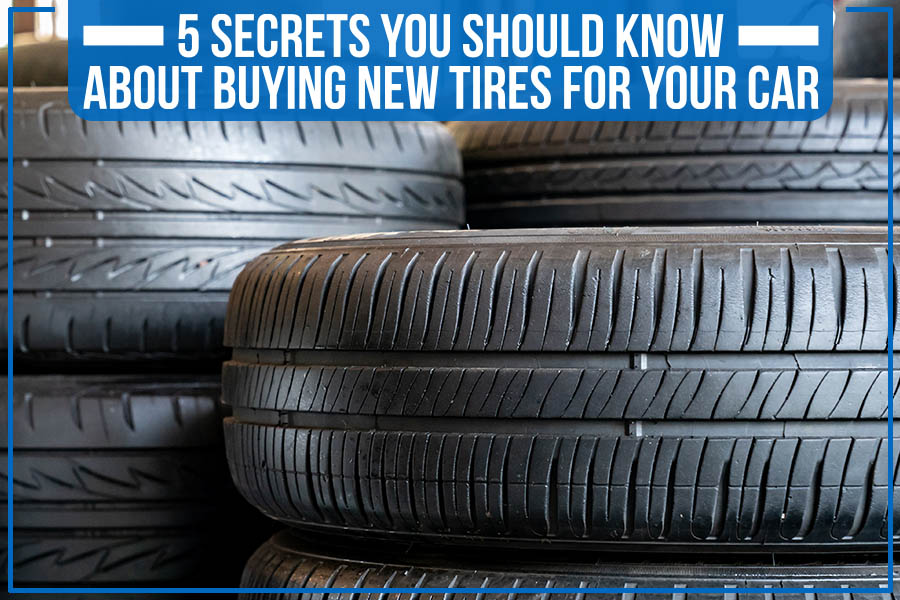
It’s essential to monitor your tires’ status to guarantee your vehicle’s security and best performance. In addition to improving performance and fuel efficiency, good tires make driving easier in challenging weather situations.
To make the tire buying process easier, Yuma Honda experts have gathered a list of things you should know about buying new tires for your vehicle.
Tip 01: Check Your Vehicle Out
While checking the quality of the present tires is standard practice, some people neglect to check the overall condition of their vehicle while buying new tires. Get your car looked at properly by a professional, especially if your tires show symptoms of unbalanced wear. A thorough evaluation before buying new tires can assist in excluding alignment and suspension problems, both of which can reduce the life of your tires.
Tip 02: Find the Right Size of Tires
The important thing you should check when choosing the best tires for your car is that they are suitable for it. The manufacturer always gives your vehicle the required size and kind of tires. The owner’s manual contains this information. The relevant details regarding a tire can also be found on its sidewall, indicated by a code you should keep in mind when buying new tires.
Tip 03: Keep the Climate and Road Conditions in Your Mind
Distinct countries around the world have different climates and road conditions. Most cars come with all-season tires, which, as their name suggests, are made to be used all year long. Winter and summer tires are designed for areas where all-season tires might not offer the optimal grip and performance. Before buying new tires, make sure you know the weather conditions.
Tip 04: Ask About the Warranty of Your New Tires
Manufacturers typically offer two different warranties: tread guarantee and defect protection. However, warranties must be used with caution, especially if they need to be bought separately. When redeeming the warranty, there are frequently so many limitations and conditions that you could not receive the refund you were hoping for. Additionally, when requesting a refund or replacement, be prepared for extensive tests to see if the warranty may be used.
Tip 05: Choose your Tires Smartly
Fuel economy is another important thing to note apart from performance and grip before buying new tires. Your choice of tires may affect how efficiently your vehicle uses fuel. Since the original tires on a car are often made to provide the best fuel economy, switching to a different tire brand might negatively or positively impact your car’s fuel economy. For some consumers, fuel efficiency is not their top concern. Therefore, you can be clear about your preferences before buying new tires for your car.
Conclusion:
The tires you select will impact your vehicle’s weight, speed, and ride quality. Making the wrong tire choice might put your safety and car in danger. So, when buying new tires, keep all these secrets in mind.
Want to understand the tire buying process better? Trust the professionals at Yuma Honda, serving Yuma, AZ. Our knowledgeable specialists will assist you in choosing the best tires for your cars, your driving style, and the roads you travel on.
Reasons You Should Buy a Certified Pre-Owned Vehicle
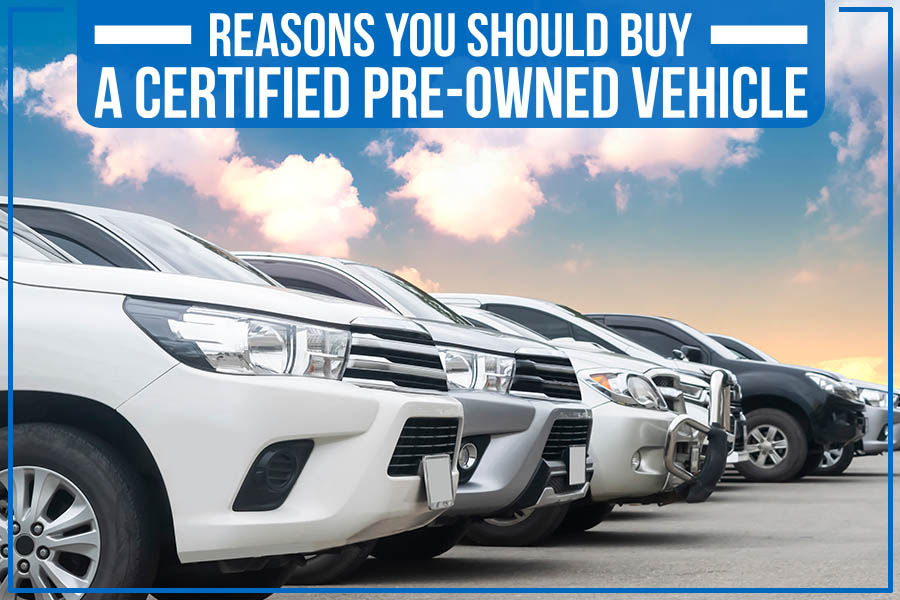
Many believe certified pre-owned vehicles are just used cars, but that’s not true. These vehicles are thoroughly inspected & repaired by the manufacturer to meet their standards. So, you can be sure you’re getting a quality used car when you buy one.
These vehicles are not only reliable, but they also come with warranties and other benefits that you won’t find with traditional used cars. If you want to explore why buying a certified pre-owned vehicle is a good option, keep reading!
Reasons You Should Buy a Certified Pre-Owned Vehicle
-
They Come with Complete Transparency
You know what you’re getting when you buy a CPO vehicle. Unlike a traditional used car, where the seller may not be forthcoming about damage or mechanical issues, CPO vehicles come with complete transparency. A CPO dealer is supposed to provide you with all information about the vehicle’s history, and you can be sure that any damage will be noted in the paperwork.
-
Comprehensive Inspections
All CPO vehicles must undergo a comprehensive inspection process conducted by factory-trained technicians. This inspection covers more than 100 points, and any necessary repairs are made using genuine manufacturer parts.
-
Extended Warranties
CPO vehicles come with extended warranties that cover major mechanical components. You won’t be stuck with a huge repair bill if something goes wrong with the engine or transmission. And because CPO vehicles must meet strict criteria set by the manufacturer, you can be confident that your car will continue to run reliably for years to come.
-
Special Financing Rates
Typically, CPO vehicles come with special financing rates that are lower than what you’d get for a non-certified used car. So, if you need to finance your purchase, this could be a great option.
-
Roadside Assistance
Many CPO programs offer roadside assistance if you have a flat tire, run out of gas, or need a tow. So, if you break down, help is just a phone call away.
-
Detailed Vehicle History Report
You’ll usually get a detailed vehicle history report when you buy a CPO vehicle. This can tell you important information about a car, like if it’s been in any accidents or had any major repairs.
-
Vehicle Exchange Policy
Some CPO programs offer a vehicle exchange policy, which means you can exchange your car for another CPO car if you’re not happy with it.
Conclusion
A CPO vehicle can be an excellent option for anyone in the market for a used car. With a bit of research and negotiation, you can get a great deal on a reliable, high-quality vehicle. So why not give one a try? If you’ve considered giving up, a good deal on CPO may surprise you!
Yuma Honda serving Yuma, AZ, has an unbeatable selection of certified pre-owned Honda vehicles. All of our used Hondas have been thoroughly inspected and come with a warranty so that you can buy with confidence. We have various models, including the Honda Accord, Civic, CR-V, and Odyssey.
Our dealership is conveniently located in Yuma, AZ, and we offer competitive prices on our certified used vehicles. We also offer financing and leasing options and a wide range of other services. Shop Now!
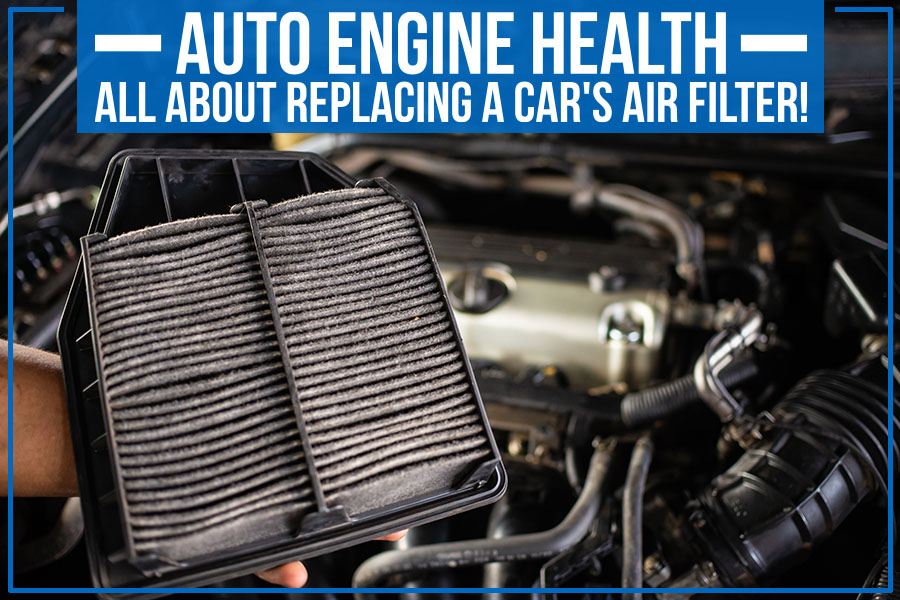
A seemingly small component in your engine plays a significant role in keeping the health and performance of your car intact. You guessed it: we’re talking about the air filter at the intake valve of your car’s engine.
The benefits of this integral car component go far and beyond, and Yuma Honda is here to tell you all about it!
What Is Your Engine Air Filter For?
Your engine air filter’s primary function is to sift out dirt, dust, and other particles from the air before it enters your engine. Doing so helps to keep your engine clean and running smoothly. A clogged air filter can cause endless problems, including a drop in fuel economy, loss of power, and increased emissions.
Where To Locate The Filter?
In most vehicles, the engine air filter is located in the engine bay, close to an intake vent right over the engine block near the front of the vehicle. It’s usually housed in a black plastic box with a detachable lid.
From the look, you will notice a sandwich-like structure with the filter paper in the middle and two pieces of metal or plastic on either side. If you still fail to find it, consult with the owner’s manual to help you guide better.
How Do You Know It’s Dirty?
Some clear-cut signs detect if your car’s air filter is dirty and needs to be replaced.
- If your car hesitates or stalls when you step on the gas pedal, this could signify your air filter being dirty and restricting engine airflow.
- A sudden drop in fuel efficiency is another easily detectable sign that the air filter might be unclean and cause the engine to work harder than needed.
- If the check engine light comes on, that could also be a sign of a dirty air filter.
- If you see any dirt or debris around the air filter housing, that’s a good indication that it’s time for a replacement.
DIY Engine Air Filter Replacing
Once you have located the filter, replacing it is a pretty simple process. Here’s a quick step-by-step guide:
1. Open the hood and try locating the air filter housing.
2. Disconnect the hose from the air filter housing.
3. Take out the old air filter and discard it.
4. Put the new air filter in the housing
Get Help From Professionals!
If you’re unsure and don’t consider yourself an expert on automobile function, opting for professional help can be your best bet. Whether an experienced mechanic or a dealership in Yuma, the experts will know every nook and cranny and may also help detect any underlying problems with your car.
From replacing your engine air filter to giving a full-fledged auto service, you will feel a noticeable difference in performance once you get behind the wheel.
Honda Dealership in Yuma, AZ
To get the most out of your car service experience, there can be no better choice than Yuma Honda, serving Yuma, AZ. Our dealership pioneers in complete customer satisfaction and has a team of highly trained professionals to give you the best Honda service.
Get your air filter replaced today by booking a service appointment!
Tips For Driving in a Sudden Rain Storm
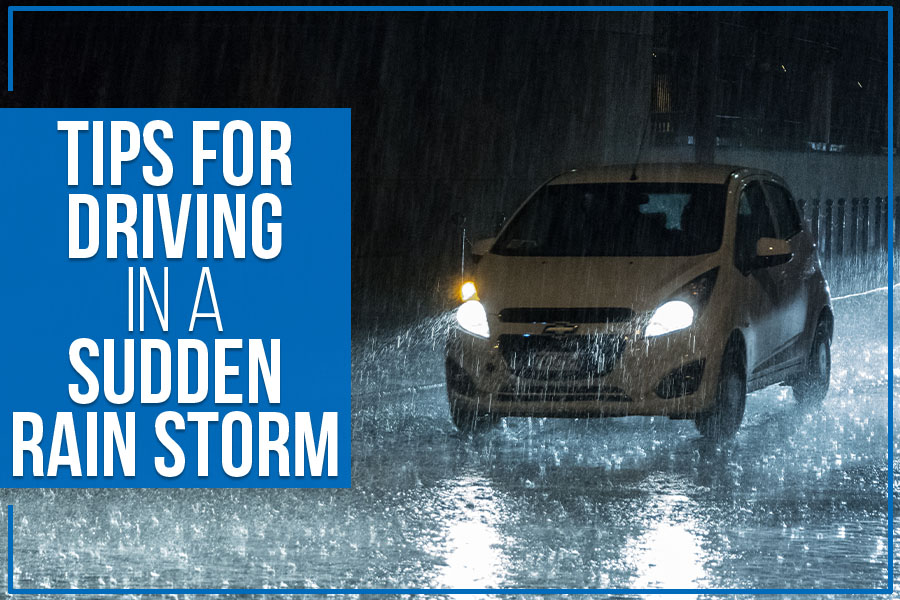
Driving in the rain can be a harrowing experience, especially if you’re caught in a sudden downpour. If you’re in the middle of a rainstorm & need to get somewhere, don’t panic. Stay calm and focused, avoid hard braking or acceleration, use your signals, and don’t drive in flooded areas.
We understand it’s not easy to stay cool while driving in a sudden rain storm, but following these tips might help you get to your destination safely.
-
Drive Slowly
This should be a no-brainer, but driving too fast in the rain is one of the leading causes of accidents. Rain makes the roads slick and decreases visibility, so it’s essential to slow down and take your time. It would be best if you drive even slower than the standard speed limit when it’s raining.
-
Increase Your Following Distance
Braking on wet roads takes longer, so you’ll need a little extra time to come to a complete stop. You should set the gap between yourself and the car in front of you to no less than four seconds. This will give you plenty of time to apply the brake if someone in front of you suddenly slows down or stops.
-
Use Your Headlights
Visibility is decreased during a rainstorm, so turning your headlights on is essential. This will help you and other drivers see the road better. Although you want your headlights on, you should avoid using your high beams. The light reflecting off of the rain can make it harder to see.
-
Don’t Drive Through Large Puddles.
There’s no way to tell how deep a puddle is, so it’s best to avoid driving through them if possible. If you can’t avoid a puddle, drive slowly so you don’t create a big splash. This could blind other drivers and make it difficult for them to see the road.
-
Be Extra Cautious Around Large Vehicles
Trucks and buses tend to splash water on the road when they drive through puddles. This could easily blind you, so it’s important to be careful when driving behind or next to one of these vehicles.
-
Watch Out for Hydroplaning
Hydroplaning can happen when you’re driving too fast or if there’s water on the road. If you start to hydroplane, gently take your foot off the gas pedal and steer in the direction you want to go. Let go of the brake pedal as it could cause you to lose control of your vehicle!
-
Don’t Use Cruise Control.
On wet roads, cruise control might allow you to lose control of your vehicle; therefore, it’s best to avoid using it. Cruise control may make it tough to slow down gradually and can cause hydroplaning!
By keeping these tips in mind, you can safely navigate through the rain to your destination in your car!
If you’re anticipating rain, bring your car to our dealership’s car service center in Arizona for inspection and maintenance services! We want your vehicle to be in tip-top shape, so it doesn’t break down while you’re stuck in the rain!
Please don’t wait any further and book your slot at Yuma Honda, serving Yuma, Arizona, now!
5 Indicators You Need To Get Yourself A New Car!
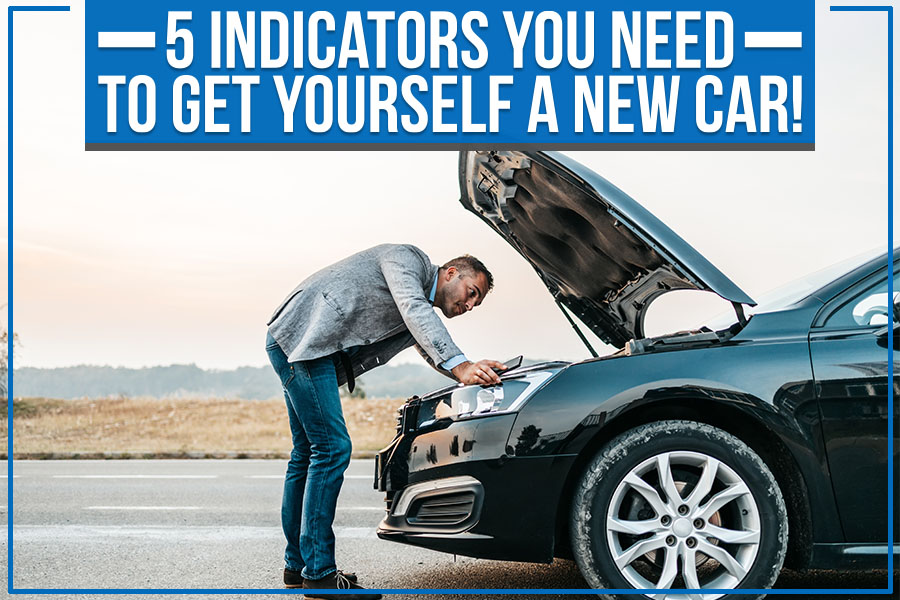
We all know that feeling. You’re driving along with your family, and suddenly you hit a bump, and the entire car starts to shake. Or maybe you go over a speed bump, and the entire thing bottoms out. If you’re lucky, those are the only problems you’ll experience. But more often than not, there can be issues, too – like the engine light that won’t turn off no matter how much you reset it.
So, what do you do? You need to buy a new car! Here are some alarming signs that it’s finally time for a new set of wheels. Yuma Honda is a leading Honda dealership in Yuma that offers all the latest models of Honda Civic and other cars at exceptional rates.
Read on to know why it’s time you need to visit us!
-
Shaky Steering
The first sign that you need a new car is if the steering starts to shake. It could be a problem with the alignment, but it could also signify more significant issues. If you notice that the steering is shaking, take your car to a mechanic to have it checked out.
-
Squeaky Brakes
If your car brakes start to squeal or make other strange noises, it’s time for a new set of brake pads. But if the noise comes from the rotor, you might need to replace the entire brake system. Either way, it’s ideal for getting it checked out by a professional as soon as possible. If the solution persists, you need to replace your car.
-
Exhaust Issues
Another important sign that you need a new car is if you start to notice exhaust issues. If the exhaust pipe is leaking or there’s a strange noise from the muffler, it’s time to check it out. These problems can be dangerous, so it’s best to take care of them immediately.
-
High Mileage
It might be time to buy a new car if you’ve reached a high mileage mark. Of course, this depends on how well you’ve taken care of your current vehicle. If you’ve kept up with vehicle maintenance and repairs, you might be able to keep driving your car for a few more years. But if you haven’t been as diligent, it might be time for an upgrade.
-
Constant Repair Bills
If you find yourself constantly shelling out bucks for repairs, it might be cheaper to buy a new car in the long run. Of course, you’ll want to consult with a mechanic to see if the repairs are worth it. But if they’re not, it might be time to save for a new vehicle.
If you’re thinking about getting a new car, then these are some signs you should consider. A new car can provide many benefits, so don’t be afraid to trade in your old one if it’s no longer serving you well.
Do your research, determine which model is right for you, and then visit a reputable dealership. Yuma Honda serving Yuma, AZ, is a Honda dealership and service center where you can buy new Honda cars at excellent prices.
Connect with us


- April 2026
- October 2025
- July 2025
- May 2025
- December 2023
- November 2023
- October 2023
- September 2023
- August 2023
- July 2023
- June 2023
- May 2023
- April 2023
- February 2023
- January 2023
- December 2022
- November 2022
- October 2022
- September 2022
- August 2022
- July 2022
- June 2022
- May 2022
- April 2022
- March 2022
- February 2022
- January 2022