

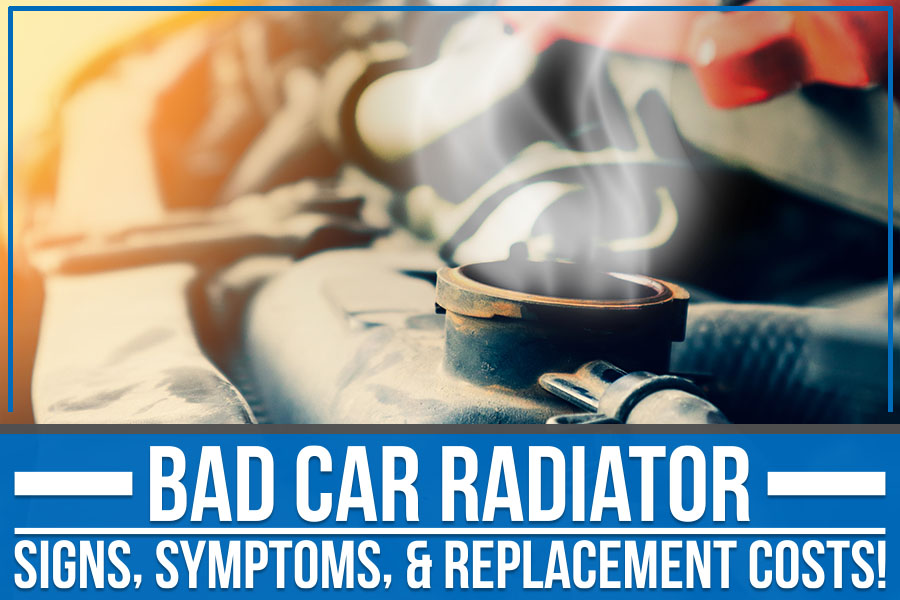
The radiator is a central engine cooling component of the car that most drivers don’t think about until it’s too late. Radiator problems can be a pain, and they’re not something you want to ignore. If your radiator is acting up, it’s essential to know the signs and symptoms to get it fixed before it becomes a more integral issue.
This post will tell you everything you need to know about a bad radiator – from the signs and symptoms to the replacement cost. If you want to replace your radiator, take it to an authorized Honda service center like Yuma Honda. We have expert mechanical staff that can solve all your car needs.
Keep reading to learn more!
What is a Radiator?
Before we get into the symptoms and signs of a bad car radiator, let’s first review what a radiator is and does. A radiator is a component in your car’s cooling system. The primary function of a radiator is to regulate the engine temperature by transferring heat from the engine coolant to the air outside.
The coolant circulates through the engine block to absorb heat. The hot coolant then flows through the radiator, transferring its heat to the air and passing through its fins. Once cooled, the now-cooled engine coolant circulates back through the engine block to absorb more heat.
This way, the radiator ensures that your car’s engine remains cool and does not get overheated.
Radiator Problems – Signs and Symptoms
Your car’s cooling system is a closed loop, so a problem with the radiator will affect the entire system. Here are signs and symptoms that may signify your radiator needs to be replaced:
- -Engine overheating: If the engine coolant can’t correctly circulate or transfer heat, the engine will overheat. It will result in severe damage to the car’s engine.
- -Leaking coolant: A leak in the radiator can cause the engine coolant to escape from the system. It can lead to engine overheating and potentially damage other cooling system parts.
- -Radiator fins bent or damaged: The radiator fins help transfer heat from the coolant to the air. If they are damaged, they won’t be able to do their job properly.
- -Radiator cap that is missing or damaged: The radiator cap helps maintain the correct pressure in the system. If missing or damaged, the system can lose pressure, and coolant can escape.
Radiator Replacement
The cost to replace a radiator can vary depending on the make and model of your vehicle. Still, it is typically between $500 and $1000. Be sure to get multiple quotes from different mechanics to ensure you are getting the best price.
Bad radiators can be a pain, but with some knowledge, you can be prepared for anything. Be sure to keep an eye out for the signs and symptoms and get it checked by a qualified mechanic if you suspect any damage. With proper care, your radiator can last for years.
Yuma Honda, serving Yuma, AZ, is a leading Honda dealership and service center where they can come for all problems related to Honda. We offer services like radiator replacement, car maintenance, order parts, and much more.
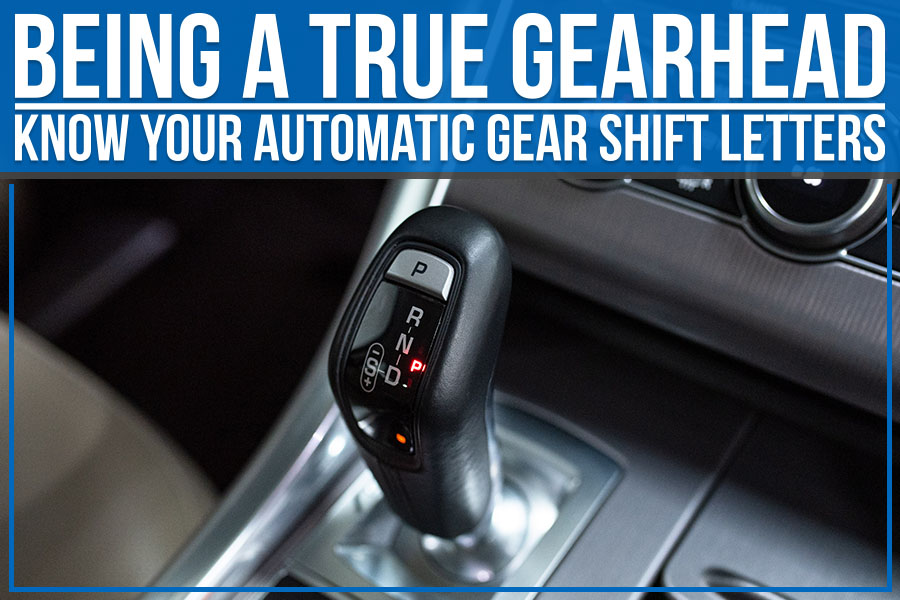
A lot goes into being a gearhead. You have to know about the different types of engines, how they work, and what kind of modifications you can make to them. Many people don’t know much about automatic transmission gears. Automated gear shift letters refer to the different gears that your car can use. They are typically represented by the letters P, R, N, D, and M. Each letter corresponds to a specific gear on your car. This blog post will discuss each one in detail!
1. P-Parking Gear
P is for Park. This one is pretty self-explanatory. This gear is used when your car is parked and not in use. You must put your vehicle in park when you’re stopped, so it doesn’t roll away. It is the most common position for parking your car, but you can also use it to rest at a red light or in traffic.
2. R-Reverse Gear
R is for Reverse. As you might have guessed, Reverse is used when you want to back up. It is the only position that allows your car to move backward. Put your vehicle in reverse before you start backing up. Be careful when shifting into Reverse, as it’s easy to accidentally hit something behind you if you’re not paying attention.
3. N-Neutral Gear
N is for Neutral. This gear is used when your car isn’t moving. You’ll typically put your vehicle in neutral at a stop light or a stop sign. Neutral is a resting position for your car’s transmission. When your vehicle is Neutral, it’s not in gear, and the engine is disconnected from the wheels. Your vehicle will coast if you let off the gas, but it won’t move forward on its own.
4. D-Drive Gear
D is for Drive. This gear is used when you want your car to go forward. It’s the most common gear that you’ll use while driving.
5. L – Low Gear
Low Gear is similar to Drive but specifically for lower speeds. It is sometimes also called First Gear and can be used to start from a stop, go down steep hills, or tow a heavy load. It is usually used when driving on a mountain or in stop-and-go traffic. You’ll notice that your car feels like it has more power in Low Gear, which can be helpful when climbing a hill.
Ending Note
If you’re looking for a new car, it’s essential to know what those gearshift letters mean. Automatic transmission cars use gears to make the car go faster or slower, and each letter corresponds to a specific gear. So whether you’re looking for a brand-new car or want to be more knowledgeable about your current ride, you must know and understand each automatic gear shift letter. And remember, at Yuma Honda serving Yuma, AZ, we can help you find the perfect car with our fantastic selection of automated and manual transmission vehicles. Get approved for your new car!
Why Trains & Buses Are Not A Hit Nowadays?

It’s like every day, we hear about new and innovative ways to get around. There’s ride-sharing, bike-sharing, carpooling…the list goes on. But Public transportation in the United States is not being used as much as it could be.
There are numerous reasons behind this, but some of the most pressing are that buses and trains are often seen as inconvenient, expensive, and dirty. In this blog post, Yuma Honda will explore some of the reasons why public transportation is not being used more extensively today. Stay tuned!
Is It Because EVs Are Here?
The most prominent one is that people are hesitant to use public transportation because they see Electric Vehicles (EVs) as a more convenient option. After all, with an EV, you never have to worry about finding a parking spot, being late to your destination due to traffic, or paying for gas. EVs are also significantly better for the environment than traditional gas-powered cars.
EVs vs. Public Transport – What’s Better?
So, what’s the better option? EVs or public transportation?
Both modes have pros and cons, but eventually, it depends on your specific needs and situation. If you reside in a city with good public transportation options and don’t mind sharing a ride with others, then taking the bus or train can be a great option. However, an EV might be a better fit for you if you have a long commute or need to transport large items often.
Here are some pros and cons of both:
Public Transport – Pros & Cons
-Pros:
- More affordable than owning a car
- Reduces traffic and pollution
- It can be faster than driving in some cases
-Cons:
- Not as convenient or safe as your own car
- It can be crowded and uncomfortable
- Limited routes and times
EVs – Pros & Cons:
-Pros:
- More environmentally friendly than gas cars
- Generally cheaper to operate than gas cars
- Better for long commutes or transporting large items
-Cons:
- It can be more expensive to purchase upfront
- Requires access to charging stations
- Limited range compared to gas cars
Time For You to Decide
Everything in our universe has pros and cons; the same goes for buses, trains, and EVs. It really narrows down to what matters most to you. If saving money is your top priority, then buses and trains are probably the way to go.
But if you value your time and comfort, then an EV might be a better fit. And, of course, if you’re looking to do your part for the environment, an EV is a clear choice.
Weigh all of these factors carefully before deciding – there’s no right or wrong answer, just what’s best for you.
Snag Up Your Favorite Hybrid/EV from Yuma Honda Today
Yuma Honda, serving Yuma, AZ, has a wide range of hybrid and electric vehicles (EVs) in stock and is ready for you to test drive.
We also have new and pre-owned regular vehicles if that’s what you’re looking for. Whichever route you choose to take, our knowledgeable staff will help guide you through the process and answer any questions you may have.
Don’t worry about the cost, though – we also offer financing options along with military and college graduate programs. Get started today!
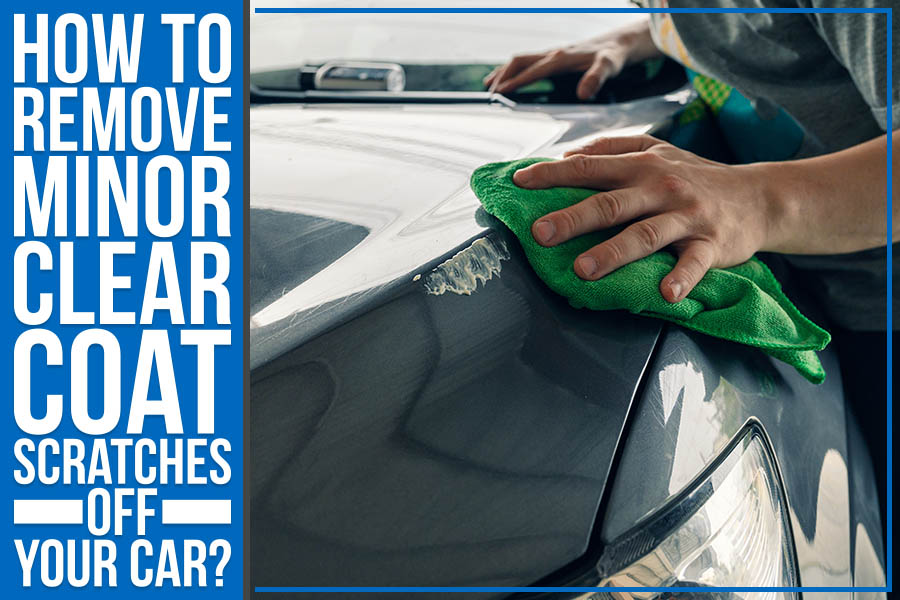
No matter how careful you are, your car’s clear coat can get scratched. These scratches are usually small and superficial, but they can still be unsightly and affect the overall appearance of your vehicle.
If this happens to you, don’t worry; there is a way to remove them without having to take your car in for expensive repairs. In this post, Yuma Honda serving Yuma, AZ, will teach you how to remove minor clear coat scratches using only household items. Keep reading to learn more!
First, you will need to gather the following supplies:
- A soft cloth
- Water
- Baking soda
- A toothbrush or other soft-bristled brush
Once you have gathered your supplies, follow these steps:
-
Clean the Scratched Area:
First, you will need to clean the scratched area on your car’s clear coat. Use a soft cloth and water to remove any dirt or debris present gently. This step is essential to ensure that the baking soda can adhere to the scratched surface.
-
Make a Baking Soda Paste:
Once you have made a paste, use a soft cloth to apply it to the scratched area on your car’s clear coat. Use a finger or a soft-bristled brush to smear & rub the paste into the scratch gently. Be sure to cover the entire area. Be sure to rub it in the same direction as the scratch.
-
Apply the Baking Soda Paste to the Scratched Area:
Once you have made your paste, use a soft cloth to apply it to the scratched area on your car’s clear coat. Use your finger or a soft-bristled brush to gently rub the paste into the scratch. Be sure to cover the entire area. Be sure to rub it in the same direction as the scratch.
-
Allow the Paste to Dry:
After applying the paste, allow it to sit and dry for at least 30 minutes. If the scratch is far too apparent, you might need to leave the paste on for a bit longer. If you wash your paste off before drying, it will not be effective.
-
Wipe Off the Paste:
Once the paste has had time to dry, use a clean, soft cloth to wipe it off. Gently rub in a circular motion until the paste is gone and you can see the scratch has been removed. You may need to repeat this process if the scratch is still visible.
-
Rinse-Off:
After removing the paste, rinse the area with clean water to remove any residue. Allow the area to cure completely before moving on. An excellently dried paste job will look like the surrounding area and not leave any spots.
-
Apply Wax:
To protect your newly repaired area, apply a coat of car wax. It will also help to blend the repair area with the rest of the paint job. You can also use a furniture polish if you do not have car wax.
-
Buff It Out:
Once the wax has been applied, buff it out until you can no longer see the repair. It will help to blend the area and make it look new again.
So, there you have it, our top tips for removing minor clear coat scratches from your car. You can achieve great results without wasting time or money by following these simple steps and using the right products.
And if all else was in vain, remember that you can always bring your car into Yuma Honda for a professional touch-up. Our team of experienced professionals in Yuma, AZ, will take care of everything for you.
Schedule service today and check out our latest specials on new and used cars. Thanks for reading, and we hope this article was helpful!
Good Carkeeping – 7 Ways To Get Rid of Foggy Windows
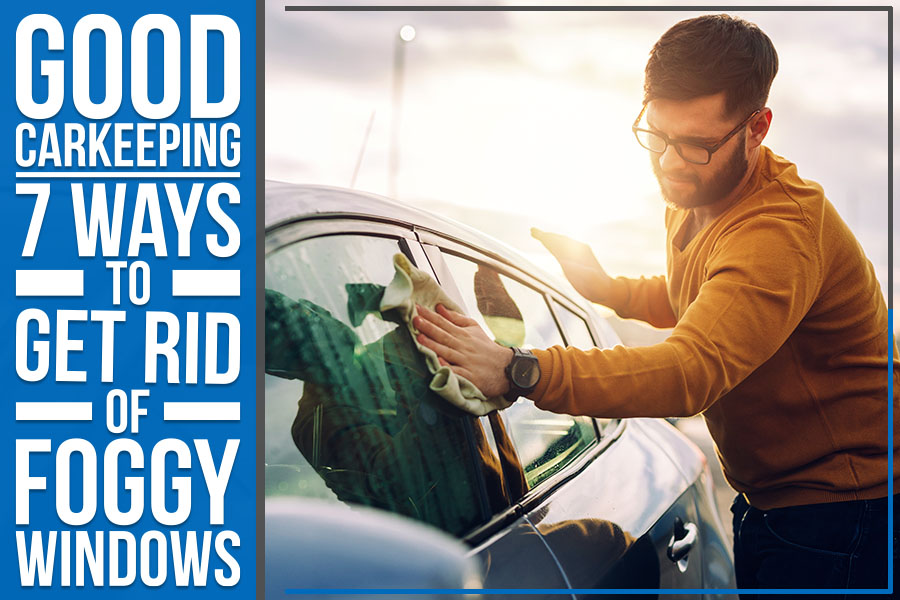
If you’re like most drivers, you’ve probably had to deal with foggy car windows at one time or another. It can be a real painful hassle to try to see out of them when it’s foggy outside, and it can be hard to drive safely when you can’t see what’s happening around you.
So, in this blog post, Yuma Honda will give you tips on getting rid of the fog from your car windows – so read on!
Window Fog Up – The Why & How!
It’s all to do with the temperature inside your car and the temperature outside. When it’s hotter outside, and you have the AC on full blast on the inside, the warm air outside meets the cold glass of the window and condenses, which causes the fog. So, if you want to stop your windows from fogging up, you need to stop that condensation from happening. Mentioned below are a few ways to do that:
-
Clean Your Windows:
Sounds obvious, but if your windows are clean, there’s less surface for the water to cling to and condense on. So, give them a nice clean before you set off – inside and out!
-
Open Your Windows:
When you first get in your ride, open all the windows for a minute or two. This will help equalize the temperatures inside and out and stop that initial condensation.
-
Turn Off the Air Recirculation:
Most cars these days have an air recirculation setting – which means that the air inside the car is circulated and not replaced with fresh air from outside. That can be great in summer when you don’t want hot, humid air coming into the car, but it’s not so good in winter.
-
Invest In a Dehumidifier:
You can buy little dehumidifiers that you can plug into the dashboard USB ports and help remove moisture from the air in the car. These are great if you live in a particularly humid area or if you find your car windows fog up all the time. Arizona is not exactly humid, but the heat here sure makes it necessary t have a dehumidifier.
-
Use Rain-X:
This is a product you apply to your windshield (and other glass surfaces) that makes water bead up and roll off – like how water beads up on a freshly waxed car. It’s great for keeping your windshield clear in a rainstorm, but it can also help to prevent fogging.
-
Wipe Down Your Windows:
If your windows are already foggy, you can use a microfiber cloth or even just your sleeve to wipe away the moisture. Just ensure not to use anything abrasive that could scratch the glass.
-
Get It Checked by The Pros:
If you’ve tried everything and your windows are still fogging up, it might be a sign of a bigger issue, like a problem with your car’s AC or heater system. In that case, it’s best to take it to a mechanic or dealership to have them check it out.
Yuma Honda, serving, Yuma, AZ, is your premier retailer of new and pre-owned Honda vehicles. Our dedicated sales staff and top-trained gearheads are here to make your car shopping experience easy, fun, and financially helpful. Please utilize our diverse online resources and allow our excellent network of people to put you in your ideal car, truck, or SUV today!
Schedule a service appointment, and our skilled technicians will quickly diagnose and fix the window fog-up problem.
We hope to see you soon!
6 New Car Tech Features That Are Actually Cool
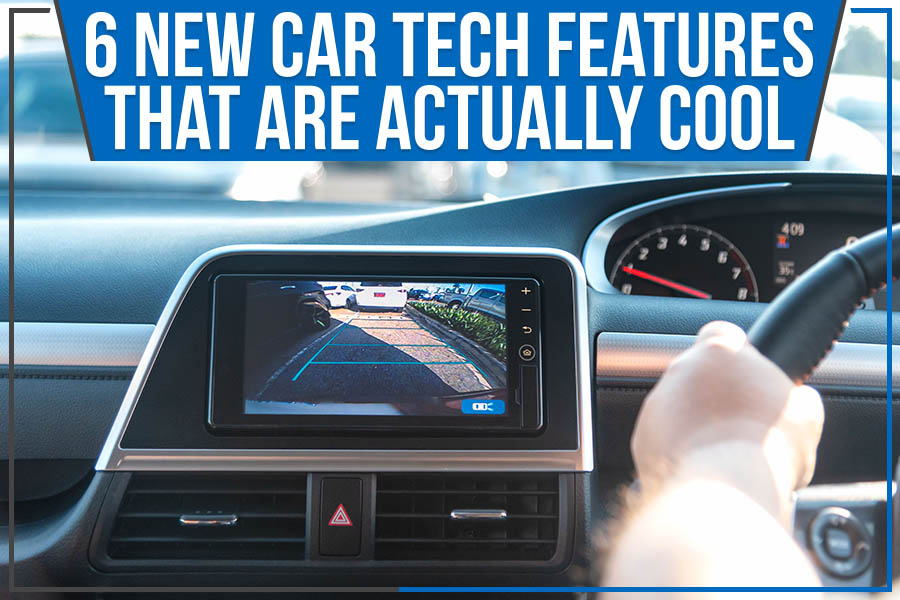
The latest cars equipped with new tech features are getting pricier each day. However, this shouldn’t be an excuse not to look into the most remarkable car technologies introduced this year. We have only seen most of these in sci-fi movies, and who knew that we would be able to witness these becoming a reality in our own lifetime.
If you’re a tech fanatic and are always looking into what new car tech is being introduced this time around, you have come to the right place. Yuma Honda, serving Yuma, AZ, has compiled six of the most fantastic car tech features to blow your mind.
SMARTPHONE CONNECTIVITY
Thanks to advances in smartphone connectivity, it’s now possible to do everything from streaming music and podcasts to making hands-free calls and using GPS navigation without ever taking your eyes off the road. These features are becoming increasingly common in new cars, meaning staying connected behind the wheel is easier than ever.
SURROUND VIEW CAMERA SYSTEM
This amazing technology gives you a 360-degree view of your surroundings, making it easier to park and avoid obstacles. The best part is that you don’t even have to be in the car to use it – fire up the app on your phone, and you’re good to go. If you’re looking for the most extraordinary way to see the world, this is definitely it.
PEDESTRIAN DETECTION
This feature uses sensors to detect people or objects in the path of your vehicle and then automatically applies the brakes if necessary. It’s a great way to prevent accidents, and it’s just one of the many ways that automakers use technology to make driving safer. So, if you’re looking for a new car with all the latest safety features, be sure to ask about pedestrian detection.
LAUNCH CONTROL
Many new cars have this feature, but it’s still relatively unknown. Here’s how it works: you push a button or turn a knob to engage launch control. The system then sets the engine and transmission to their ideal settings for taking off quickly. You floor the gas pedal and let go of the brake when you’re ready. The car then takes off, hitting its maximum speed in seconds. If you’ve ever wanted to feel like a racecar driver, this is the closest you’ll get without actually being on a racetrack.
NIGHT VISION
Night vision uses an infrared camera to detect objects in low-light conditions. The camera then projects this information onto a display, allowing you to see what’s ahead of you. This technology can be very helpful in spotting animals or pedestrians on the road. It can also help you avoid potholes and other obstacles in the dark.
ADAPTIVE CRUISE CONTROL
Adaptive cruise control uses sensors to keep track of the car in front of you and adjusts your speed to maintain a safe distance automatically. You can set it to your desired speed and relax as the vehicle does the work for you.
If you’re in the market for a high-tech car, visit our dealership, Yuma Honda, serving Yuma, AZ. We have an extensive collection of the latest as well as pre-owned Hondas. Contact us to speak to one of our representatives today!

Do you believe you know everything about test drives? You may be surprised! When it comes to the opportune time to buy or lease a new car, most people rightly view the test drive as an essential step. It’s your chance to get behind the wheel and see how the car handles on the open road. But if you’re not prepared, you might not get the most out of your test drive. Here are some secrets by Yuma Honda to having a successful one.
-
Arrive At The Car Dealership Well-Rested And With A Clear Head
The most crucial thing is to be well-rested and clear-headed before visiting a dealership for a test drive. You want to be able to concentrate on the task at hand and not be distracted by anything else. If you’re tired, you might not notice things about the car that you otherwise would.
-
Do Your Research On The Car You Want To Test Drive
Make sure you know everything there is to know about the car before you arrive at the car dealership. You’ll know what questions to ask and what to look for when you’re behind the wheel. You can find a lot of automotive information online, from reviews to videos of people test driving the same car you’re interested in.
-
Be Prepared To Ask Questions About The Car And Its Features
When you’re on the test drive, ask any questions you have about the car or its features. This is a way of getting a feel for the vehicle and seeing whether it’s a good fit for you. If something doesn’t feel right or you’re not sure about something, don’t be afraid to speak up.
-
Drive The Car On Different Road Types, Including Highways And City Streets
One of the best ways to get a feel for how a car drives is to take it on different roads. If you’re only driving on city streets, you might not understand how the car performs at higher speeds on the highway. And if you’re only driving on highways, you might not get a sense of how the car handles in stop-and-go traffic or tight spaces. So mix it up and see how the car feels in different situations.
-
Pay Attention To Your Reactions While You’re Driving
As you’re test driving the car, pay attention to your reactions. Are you feeling comfortable behind the wheel? Does the car feel too big or small for you? Is the visibility good? How does the car feel when you make turns or accelerate? These are all important factors to consider when choosing a car.
If you’re in the market for a new or used car, Yuma Honda, serving Yuma, AZ, is the place to be. We offer both new & used cars, so you’re sure to find the perfect one for you. Plus, we’re always happy to offer test drives so you can get a feel for the car before making your final decision.
It’s difficult to buy a car since it’s a huge investment, so we’re here to help you. Our friendly & knowledgeable staff will answer any questions you have and help you find the best financing options to fit your budget.
Buyers Guide
When you are looking to buy a new car, one of you will have to make sure whether or not to trade in your old car. This can be a difficult decision, especially if you are unsure how car trade-ins work. In this buyer’s guide, Yuma Honda will discuss the process of trading in your old car.
Begin by determining the estimated trade-in value of your car:
To evaluate whether you’re being offered a fair price for your trade-in vehicle, you must first know how much it is worth. We recommend using evaluation tools like the Edmunds.
The best approach is to be completely honest about your vehicle when having your evaluation. The goal here is to acquire the most precise estimate possible so you know if you’re receiving a fair bargain from Yuma Honda when the time comes. The idea is not to inflate the estimate by misleading information about the car’s condition.
You should pay attention to the trade-in value figure on the results page. This is about what you can anticipate from a dealership.
Evaluation time!
Armed with the information of what your car’s trade-in value should be, you may now contact Yuma Honda to receive an evaluation. If you want to avoid tiring queues during peak hours, you may need to plan ahead of time.
We will usually have someone who evaluates used automobiles and determines their acceptable trade-in value.
The good news is that dealerships are well aware that many customers would have researched potential trade-in values using platforms like Edmunds. As a result, they are unlikely to differ much from the estimate you received, assuming you provided reliable information while obtaining your estimate.
Negotiation:
The evaluation is the most important aspect of the procedure. After that, you may incorporate your trade-in quote into your larger talks.
If you have a choice between two dealerships with identical offers, you should lean toward the one where you intend to buy your car. This technique provides you with some negotiating power because you give the dealership business on the trade-in and the automobile purchase.
The initial trade-in offer at a dealership is frequently on the low end, leaving space for negotiation.
However, if you continue to receive the same offers for your vehicle and none of them is what you expected, you may need to adjust your expectations. These bids might reflect the automobile’s market value, regardless of what you believe it should be worth.
You can either accept the offer or try to sell the automobile yourself at this stage.
Few Tips To Remember:
When you understand what happens throughout the trade-in process, you may avoid some of the most common blunders. The most common mistake individuals make is spending money on small repairs, such as new tires or a new windshield, to increase the estimate they obtain. These items might be helpful in a private sale but not in a car trade-in.
You can prevent disappointment and other problems if you recognize and appreciate that car trading is not the same as selling privately.
Yuma Honda, serving Yuma, AZ, is delighted to provide a great range of new Honda automobiles at competitive pricing to the Yuma area car buyers.
Please browse our inventory online to find your new Honda in Yuma, and then visit our Yuma, AZ dealership for a trade-in valuation!
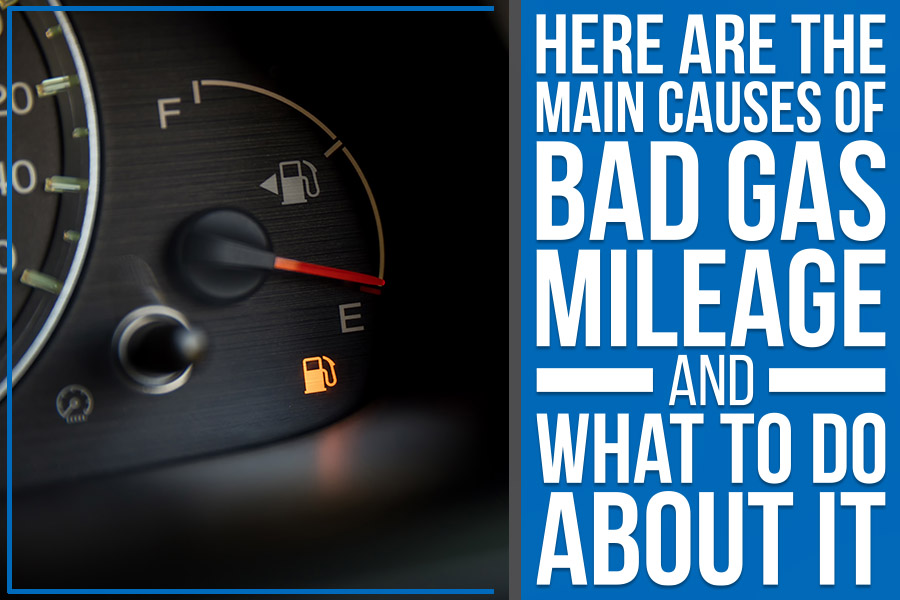
Think your Honda car is getting lousy gas mileage? You could be right – and you’re not alone. Nearly every make and model of automobile experiences bad gas mileage from time to time. Thankfully, knowing the main causes of poor fuel economy can help you take corrective action and see better numbers at the pump. Here’s a look at some common offenders.
-
Cranking Up That AC Every Time You Step in the Vehicle
It’s no secret that the air conditioner is a gas guzzler. When you use it, your car’s engine has to work harder, which burns more fuel. If you can stand the heat (and we know it can sometimes get unbearable), try cranking up the AC only when necessary. You can save a decent amount on gas over the course of a summer.
-
Speeding down the Highway
Putting the pedal to the metal won’t favor your gas mileage. The faster you drive, the more wind resistance your vehicle encounters. This resistance requires more power and effort from your ride, which means it uses more fuel. So, the next time you’re in a hurry, take it easy on the accelerator and enjoy the scenery at a leisurely pace.
-
Letting Your Car Idle
We’ve all been there before—stuck in traffic with an idling car. It’s tempting to sit back and let your car do its thing while waiting for the jam to clear, but this is one of the worst things you can do for your gas mileage. When your car is idling, it’s still using fuel, even though it’s not going anywhere. So, try switching off the car when you expect no movement for more than 30 seconds.
-
Improper Car Maintenance
If your car isn’t properly maintained, it will show in your gas mileage. Something as simple as keeping your tires inflated to the proper level can make a big difference. Also, regularly changing your air filter will ensure that your engine is running efficiently.
-
Incorrect Fuel
Using the incorrect fuel type hurts your gas mileage. Make sure you know what kind of fuel your car requires, and always fill it up with the correct type. Consult the owner’s manual or an experienced expert before choosing the fuel type.
Bad gas mileage is a frustrating problem that many drivers face. But by being aware of the leading causes of bad gas mileage and taking steps to avoid them, you can help improve your gas mileage.
You can also improve gas mileage by being proactive in your car maintenance approach. Frequently scheduling car servicing and repair helps you avoid potentially damaging problems. Of course, your car’s mileage may vary, but hopefully, this gives you a good starting point for improving your fuel efficiency. If you need help getting started, schedule a service with Yuma Honda serving Yuma, AZ. We can help identify any areas of improvement and get you back on the road to better gas mileage.
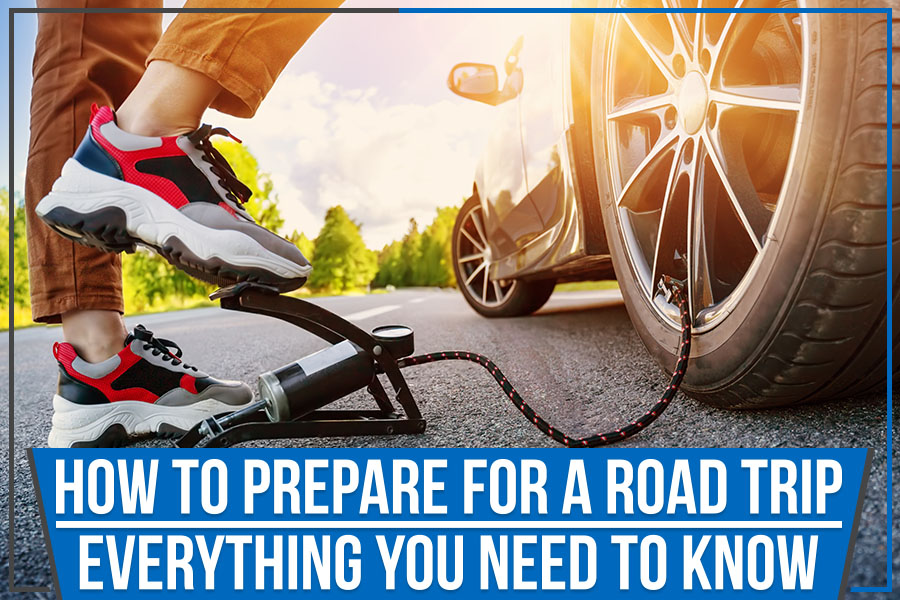
Are you road trip ready – is your car too? Are you confident that you have everything mapped out and take the necessary precautions? If not, don’t worry – we’ve got you covered.
Yuma Honda, serving Yuma, AZ, will highlight everything you should do to make your road trip as smooth and enjoyable as possible.
So, whether it is your first time hitting the open road or you’re a seasoned pro, continue reading to gather all the information you need.
How Should One Prepare for Their Road Trip?
Here are some useful tips one should always keep in mind to ensure that your trip is a success and you are ready for anything that comes your way:
-
Getting a Good Night’s Sleep
The night before your trip is essential. You want to be well-rested for the long journey ahead. Not to mention, a fresh mind will help you make better decisions throughout the trip.
-
Route Planning
Route planning may seem like a no-brainer, but it’s worth mentioning. You want to make sure you have a general idea of where you’re going and how long it will take to get there.
If you’re driving cross-country, you’ll want to map out your route ahead of time and make sure you have a plan for where you’ll be staying each night. Map it out once your route is planned out and enter the information into your GPS. Planning will save a lot of your time (and headaches).
-
Checking Your Vehicle’s Maintenance Status
Before embarking on any long journey, you want to ensure that your vehicle is in good working order. It means checking things like your oil level and tire pressure.
You should also have a decent battery and brakes. It’s also good to have your cooling system checked to ensure that it’s in good working order. Be sure to top off all of your fluids, including power steering fluid, windshield washer fluid, and coolant.
-
Packing Your Car
You’ll want to ensure that you have everything you need before hitting the road. Everything includes:
- Packing snacks and drinks.
- Packing a first-aid kit.
- Packing a map.
- Packing a bag for any clothes or items you might need while on your trip.
It would be great if you also packed a bag for any electronics you might need, such as a charger for your phone or laptop.
-
Evenly Distribute Baggage Across The Car
When packing your car, be sure to distribute the weight evenly. Distributing the weight will help with gas mileage and keep your car from working too hard. It’s also recommendable to pack heavier items closer to the front of the car, as this can help with braking in case of an emergency.
-
Checking Weather Conditions Beforehand
Make sure to check weather conditions before you begin your journey. You wouldn’t want to be caught unawares in the upcoming monsoon or a thunderstorm without the proper supplies. If the weather is looking iffy, it’s always better to err on the side of caution and reschedule your trip for another time.
Conclusion:
So, you have everything you need to know to get ready for your road trip. We hope this guide was helpful and that you’ll visit us at Yuma Honda, serving Yuma, AZ, before your next big adventure.
In the meantime, do browse our new inventory of Honda cars and our service center page on our website, and remember to schedule a service appointment with us today!
Connect with us


- April 2026
- October 2025
- July 2025
- May 2025
- December 2023
- November 2023
- October 2023
- September 2023
- August 2023
- July 2023
- June 2023
- May 2023
- April 2023
- February 2023
- January 2023
- December 2022
- November 2022
- October 2022
- September 2022
- August 2022
- July 2022
- June 2022
- May 2022
- April 2022
- March 2022
- February 2022
- January 2022