

Brand Loyalty Award
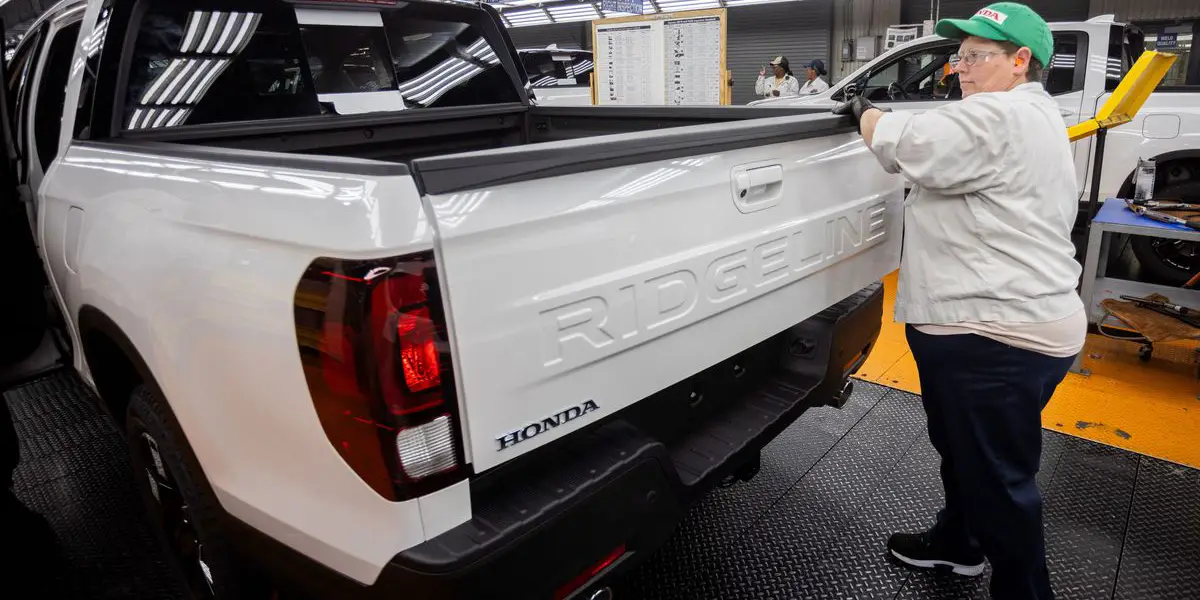
At Yuma Honda, our entire staff is proud to represent the Honda brand and name. We know that customers across the state respect it as much as we do because they travel to our full-service dealership to purchase these reliable, safe, and reasonably priced cars, trucks, and SUVs. Equally exciting is the continued loyalty we see from customers in the communities of Yuma, Somerton, and Fortuna Foothills, as well as the recognition Honda receives for the brand loyalty of its customer base. The most recent example is the J.D. Power 2025 Automobile Brand Loyalty Study, which rates Honda SUVs as #1 among mainstream SUV owners.
Read the rest of this entry »Cars.com’s 2025 American-Made Index
Honda vehicles stand out from the crowd in many ways, including the 2025 American-Made Index from Cars.com. More Honda models made this list than any other manufacturer’s models, showcasing the fact that Honda plays an integral role in the American economy.
Read the rest of this entry »2025 KBB Best Value Resale Awards
When people need to estimate the value of a vehicle, they turn to Kelley Blue Book. The Honda brand has always been known for its reliability, but now, it’s clear that Honda models hold their value, too. Recently, Honda has won multiple accolades during the 2025 Kelley Blue Book Resale Value Awards, as models like the Civic, the Accord, and the CR-V find themselves far ahead of the competition. If you want to see what these models are like in person, then you can test-drive them today at Yuma Honda.
Read the rest of this entry »Effective Ways to Prevent Rust on Your Vehicle
Key Takeaways:
- Regularly wash and inspect your vehicle for early rust detection.
- Apply protective coatings and rustproofing treatments.
- Prioritize moisture control and undercarriage cleaning.
- Address scratches and dents immediately.
- Use high-quality, rust-resistant materials and parts.
- Seek professional advice for specialized rust prevention methods.
Rust prevention for vehicles is crucial to maintaining your car’s longevity and aesthetic appeal. As your car gets exposed to various elements, the risk of rust becomes a significant concern.
This article delves into practical and effective ways to prevent rust on your vehicle, ensuring it stays in top condition for years.
Looking for the best in rust prevention for vehicles? Visit Yuma Honda for expert advice and solutions.
Understanding Rust and Its Impact
Rust, a form of iron oxide, occurs when iron, oxygen, and moisture combine. This can lead to structural weakness, unsightly damage, and decreased value in vehicles. Understanding the science behind rust is the first step in effective rust prevention for vehicles.
Regular Vehicle Inspections
Regular vehicle inspections are paramount in the fight against rust. You can take timely action to prevent further damage by identifying early signs of rust.
Regular vehicle inspections should focus on areas prone to moisture accumulation and damage, such as the undercarriage and wheel wells.
The Role of Protective Coatings in Rust Prevention
Protective coatings offer a barrier against elements that cause rust. These coatings, applied to the vehicle’s body, shield against moisture, salt, and other corrosive substances. Incorporating protective coatings is a proactive approach to rust prevention for cars.
Moisture Control
Moisture is the enemy of metal, making moisture control critical in rust prevention for vehicles. Ensure your vehicle is stored in a dry environment and promptly address any leaks or dampness.
Regularly check for trapped moisture in nooks and crannies, especially after washing your car or exposure to rain.
Rustproofing Treatments
Investing in professional rustproofing treatments can significantly extend your vehicle’s life. These treatments provide additional protection, especially for cars in regions with high humidity or those exposed to road salt.
Rustproofing treatments are effective in vehicle rust prevention, safeguarding against surface rust and more severe corrosion.
Undercarriage Cleaning
Your vehicle’s undercarriage is highly susceptible to rust, primarily due to its constant exposure to road salts, dirt, and moisture. Regular undercarriage cleaning is essential in rust prevention for vehicles.
It helps remove these corrosive elements and prevents them from settling and causing damage. Seasonal cleaning, especially after winter and rainy seasons, is essential.
Timely Repairs of Scratches and Dents
Scratches and dents are more than just cosmetic issues; they can be gateways for rust. No matter how small, exposed metal can quickly rust when left unattended. Addressing these imperfections promptly is a critical step in rust prevention for vehicles.
Using touch-up paint or seeking professional help for more significant damages can go a long way in keeping rust at bay.
Use of High-Quality Materials and Parts
When repairing or upgrading your vehicle, opt for high-quality materials and parts. Cheaper alternatives might save money initially but can be more prone to rust.
Quality parts, especially those with rust-resistant properties, play a significant role in rust prevention for vehicles, contributing to the overall durability of your car.
Educating Yourself on Vehicle Maintenance
Educating yourself about proper vehicle maintenance is invaluable. Understanding the best practices for cleaning, inspecting, and caring for your vehicle can significantly aid in rust prevention.
Knowledge about the right products and techniques can make a substantial difference in maintaining your vehicle’s condition.
Seeking Professional Assistance
Sometimes, the best course of action in vehicle rust prevention is to seek professional assistance.
Automotive experts can provide specialized treatments, advice, and solutions tailored to your vehicle’s needs and local environment. They can also spot potential problems that you might miss.
Adopting a Regular Washing Routine
A regular washing routine is pivotal in rust prevention for vehicles. Washing your car frequently helps remove dirt, road salts, and other debris contributing to rust formation.
Pay special attention to cleaning the underside and wheel arches, where corrosive materials accumulate. During winter, increase the washing frequency to combat the effects of road salt.
Utilizing Rust Inhibitors
Rust inhibitors can be an effective chemical solution in the battle against rust. These products are designed to slow down or prevent the chemical reaction that leads to rust.
Apply rust inhibitors to metal surfaces, especially in areas prone to rusting. They can be handy for older vehicles that may not have come with modern rustproofing.
Prioritizing Proper Storage
Proper storage of your vehicle plays a crucial role in rust prevention. Whenever possible, park your car in a dry, covered area. This minimizes exposure to moisture, one of the main culprits behind rust.
If a garage or covered parking is unavailable, consider using a high-quality car cover for proper ventilation.
Avoiding Prolonged Exposure to Saltwater
Vehicles in coastal areas or those frequently exposed to saltwater face a higher risk of rust. To mitigate this, rinse your vehicle with fresh water after exposure to saltwater.
This is particularly important for the undercarriage and wheel wells. Regular checks for salt accumulation can also aid in early detection and prevention.
Incorporating Drainage Check-in Maintenance
Adequate drainage is essential in preventing water accumulation, a key factor in rust formation. During maintenance checks, ensure that drainage holes in the doors, undercarriage, and other parts of the vehicle are not blocked. Clearing these areas allows water to escape, reducing the risk of rust.
Embracing New Technology
Advancements in automotive technology have introduced new methods for rust prevention. Products like electronic rust protection systems claim to offer a modern solution to combat rust.
While opinions on their effectiveness vary, it’s worth researching and considering these innovative approaches as part of your rust prevention strategy.
Conclusion
In conclusion, effective vehicle rust prevention involves regular inspections, timely repairs, protective coatings, moisture control, and professional assistance when needed.
These steps will prolong your vehicle’s life and maintain its aesthetic appeal and value. Remember, a little effort in maintenance can save you from costly repairs in the future.
For more information and assistance keeping your vehicle rust-free, visit Yuma Honda today.
Key Takeaways:
- Regularly check and top off coolant levels.
- Use the correct type of coolant for your vehicle.
- Inspect hoses and belts for wear and leaks.
- Monitor the temperature gauge for overheating signs.
- Conduct professional cooling system services.
- Address common issues like radiator leaks and thermostat failures.
- Perform seasonal checks for extreme temperatures.
Your car’s cooling system plays a pivotal role in ensuring the smooth operation of your vehicle. Maintaining this system efficiently can save you from costly repairs and enhance your driving experience.
If you’re seeking professional assistance to keep your car’s cooling system running efficiently, Yuma Honda offers top-notch services tailored to your needs.
Understanding the Importance of Car’s Cooling System Efficiency
The efficiency of your car’s cooling system is crucial for preventing engine overheating and ensuring optimal performance.
This system works tirelessly to dissipate heat generated by your engine, maintaining the ideal operating temperature. Ignoring its maintenance can lead to significant engine damage.
Radiator Maintenance
Radiator maintenance is vital for sustaining your car’s cooling system efficiency. The radiator is responsible for transferring heat away from the engine, and its proper functioning is essential.
Regular check-ups can prevent leaks and clogs, which are common issues that impair radiator efficiency.
Preventing Engine Overheating
Engine overheating prevention is another critical factor in maintaining your car’s cooling system efficiency. Overheating can cause severe damage to engine components.
Ensuring that the cooling system, including the radiator and thermostat, functions correctly is essential to avoid overheating.
Coolant Flush
A coolant flush is essential in maintaining your car’s cooling system efficiency. Over time, the coolant can become acidic and lose its ability to protect your engine from corrosion and overheating. Regularly flushing and replacing the coolant can prevent these issues.
The Role of the Thermostat in Cooling System Efficiency
The thermostat plays a significant role in your car’s cooling system efficiency. It regulates the flow of coolant to the engine. A malfunctioning thermostat can lead to overheating or overcooling, both detrimental to engine performance.
Regular Cooling System Check-Ups
Regular cooling system check-ups are crucial for maintaining your car’s cooling system efficiency. These check-ups should include inspecting the radiator, hoses, coolant level, and thermostat function.
Early detection of any issue can prevent major breakdowns and ensure your vehicle’s longevity.
Tips for Maintaining Your Car’s Cooling System Efficiency
Maintaining your car’s cooling system efficiency is not just about significant repairs; it’s also about regular, small actions that make a big difference. Here are some practical tips to keep your car’s cooling system in top shape:
Regularly Check Coolant Levels
One of the simplest yet most effective ways to maintain your car’s cooling system efficiency is to check and top off the coolant level regularly. Low coolant levels can lead to overheating and damage to your engine.
Choose the Right Coolant
Using the correct type of coolant is crucial for your car’s cooling system efficiency. Different vehicles require different types of coolant. Always refer to your car’s manual to ensure you use the appropriate type.
Inspect Hoses and Belts
Regularly inspecting the hoses and belts related to your car’s cooling system is essential. Look for any signs of wear, tear, or leaks. Replacing them at the first sign of deterioration can prevent more significant issues down the line.
Keep an Eye on the Temperature Gauge
Monitoring your car’s temperature gauge can help you spot cooling system issues early. If the temperature consistently runs higher than usual, it’s a sign that your cooling system may not be functioning efficiently.
Professional Cooling System Service
While DIY maintenance is essential, professional servicing of your car’s cooling system ensures comprehensive care. Technicians can conduct a thorough check-up, including a coolant flush, and inspect the thermostat function and radiator condition.
Addressing Common Cooling System Issues
Understanding and addressing common issues is key to maintaining your car’s cooling system efficiency. These include:
- Radiator Leaks: You might have a radiator leak if you notice coolant pooling under your car. This needs immediate attention to prevent overheating.
- Thermostat Failures: A failing thermostat can cause your engine to overheat or run too cold. Replacing a malfunctioning thermostat is crucial for maintaining efficiency.
- Clogged Radiator: The radiator can become clogged with debris over time, reducing its efficiency. A professional coolant flush can resolve this issue.
The Importance of Seasonal Checks
Seasonal changes can affect your car’s cooling system efficiency. Before summer or winter, it’s a good idea to have a seasonal check-up.
This ensures that your system is prepared to handle extreme temperatures by cooling your engine efficiently in the summer heat or ensuring it reaches operating temperature quickly in the winter.
Understanding Coolant Quality and Replacement
A crucial aspect of maintaining your car’s cooling system efficiency is ensuring the coolant is of high quality. Over time, coolant can lose its anti-corrosive and anti-freeze properties, vital for protecting your engine.
Regular testing of the coolant’s pH and specific gravity can help determine when it needs replacing.
Using high-quality coolant and adhering to the manufacturer’s recommendations is essential for the longevity of your cooling system.
The Significance of System Pressure Testing
Pressure testing the cooling system effectively identifies leaks in components like the radiator, hoses, and water pump. This test involves pressurizing the system and observing if it holds pressure as per the specifications.
A pressure drop usually indicates a leak, which can significantly cause reduced efficiency in the cooling system. Addressing these leaks promptly can save you from more significant issues down the road.
Advanced Cooling System Diagnostics
In today’s technologically advanced vehicles, diagnostic tools are key to maintaining your car’s cooling system efficiency.
These tools can quickly detect issues like thermostat failures, inefficient water pumps, and even subtle leaks that are not easily visible. Regular diagnostics can preemptively address issues before they escalate into major problems.
Environmental Considerations and Your Cooling System
Environmental considerations are increasingly crucial in vehicle maintenance. Using eco-friendly coolants and properly disposing of old coolants are ways to ensure your car’s cooling system is efficient and environmentally responsible.
Additionally, a well-maintained cooling system contributes to lower emissions and better fuel efficiency, aligning with eco-friendly driving practices.
Conclusion
In conclusion, keeping your car’s cooling system running efficiently is essential for the health of your vehicle. Regular maintenance, such as radiator checks, coolant flushes, and addressing common issues, plays a crucial role.
Remember, an efficient cooling system saves you from costly repairs and ensures a smoother, safer driving experience.
Looking for expert help to maintain your car’s cooling system efficiency? Visit Yuma Honda for professional services and advice tailored to your car’s needs.
How to Ensure Your Car is Ready for a Long Road Trip

Key Takeaways
- Check and maintain fluid levels (engine oil, coolant, brake fluid).
- Ensure your tires are in good condition and properly inflated.
- Test your battery and replace it if necessary.
- Inspect brakes for safety.
- Plan for an emergency kit, including first-aid supplies and basic tools.
- Review your car’s insurance and roadside assistance coverage.
- Clean and organize your car for a comfortable journey.
Preparing your car for a long road trip is crucial to ensure a smooth, enjoyable journey free from unexpected breakdowns and safety hazards. With the right preparations, you can hit the road with confidence, knowing your vehicle is as ready as you are for the adventure ahead.
Whether you’re embarking on a cross-country journey or a weekend getaway, these steps will help you ensure your car is up to the task. If you’re unsure about any aspect of your car’s readiness, remember to consult with a professional for peace of mind.
And if you’re in the market for a new travel companion, consider visiting Yuma Honda for a range of suitable options!
Check Your Car’s Fluids
One of the first steps in preparing for a long road trip is to check and top off all your car’s essential fluids. This includes engine oil, coolant, brake fluid, transmission fluid, and windshield wiper fluid.
These fluids are vital for the smooth operation and longevity of your car’s engine and other components. Engine oil lubricates moving parts, while coolant helps regulate engine temperature.
Low or dirty fluids can lead to engine damage or breakdowns, so it’s essential to ensure they’re clean and at the appropriate levels.
Tire Inspection and Maintenance
Tires are the most crucial safety feature of your vehicle. Before any long road trip, thoroughly inspect your tires for signs of wear, cracks, or bulges.
Check the tread depth to ensure it’s above the legal limit, and look for any uneven wear patterns that might indicate an alignment or suspension issue. Equally important is tire pressure. Tires with incorrect pressure can lead to poor handling, increased wear, and even blowouts.
Remember also to check the spare tire’s condition and ensure you have the necessary tools to change a tire.
Battery and Electrical System
A dead battery can be one of the most frustrating causes of travel delays. Before embarking on your long road trip, test your car’s battery and inspect the terminals for corrosion. It’s often worth getting a professional assessment, especially if your battery is over three years old.
Additionally, make sure that all your vehicle’s lights — headlights, brake lights, turn signals, and interior lights — are functioning correctly.
Brake Check
Brakes are fundamental to your safety on the road. Have them inspected to ensure the pads, rotors, and fluid are in good condition. Any grinding noise, vibration, or pulling during braking needs immediate attention.
Remember, mountainous or hilly terrain on your trip can put additional strain on brakes, so it’s better to be safe and have them thoroughly checked.
Emergency Preparedness
No one expects an emergency, but it’s wise to be prepared. Equip your car with a well-stocked emergency kit, including items like a first-aid kit, flashlight, blankets, extra food and water, a basic tool kit, and roadside flares or reflective triangles.
Additionally, it’s a good idea to have a plan for roadside assistance. Check your car insurance policy for coverage and consider membership in a roadside assistance program.
Vehicle Insurance and Roadside Assistance Coverage
Review your vehicle’s insurance coverage before hitting the road. Ensure your policy is up to date and offers adequate coverage, especially if you’re traveling out of state or to a different country.
It’s also prudent to confirm the details of any roadside assistance you have, whether through your insurance, your car’s manufacturer, or a third-party provider.
Cleaning and Organizing
Finally, a clean and well-organized car makes for a more pleasant and less stressful trip. Clear out any unnecessary items that have accumulated, vacuum the interiors, and consider additional storage solutions if required.
An organized car not only feels better to travel in but can also help you find things easily during your journey.
Plan Your Route and Stops
Even in the age of GPS and smartphones, it’s a smart idea to plan your route and identify stops beforehand. Knowing your route helps in estimating driving times, locating rest stops, and identifying service stations, especially in remote areas where cell service might be unreliable.
Additionally, it’s always good to have a physical map or a printed route as a backup in case of technical difficulties with digital devices.
Check Your Air Conditioning
Especially important in warmer climates or summer travel, ensuring your car’s air conditioning system is functioning properly can make a long road trip much more comfortable.
If the system hasn’t been cooling effectively or you notice strange noises when it’s running, have it inspected and serviced by a professional?
Pack Smart
Packing for a long road trip is an art. You’ll want to balance between being prepared and overpacking, which can weigh down your vehicle and affect its performance.
Make sure to load heavier items at the bottom and as close to the center of the car as possible to maintain a balanced and stable vehicle. Also, keep essential items easily accessible and ensure that your rear view is not obstructed.
Fuel Efficiency
Preparing for a long road trip is also an excellent time to think about fuel efficiency. Simple steps like removing unnecessary weight, ensuring your tires are properly inflated, and driving at steady speeds can help save fuel.
Using cruise control on highways can aid in maintaining a constant speed, which is generally more fuel-efficient.
Entertainment and Comfort
Long road trips can be tiring, especially for passengers. Planning for entertainment like music playlists, audiobooks, podcasts, or games can keep everyone engaged and make the time pass more enjoyable.
Also, think about comfort in terms of seating, with neck pillows, seat cushions, and blankets adding significantly to the overall travel experience.
Conclusion
Preparing your car for a long road trip is essential to ensure a safe, efficient, and enjoyable journey. By thoroughly checking your vehicle’s mechanical condition, planning your route, and considering comfort and entertainment, you can look forward to a memorable trip.
Remember, it’s always better to be over-prepared than to face unexpected problems on the road.
If you’re considering a new vehicle for your road-tripping adventures or need professional help with preparing your current car, don’t hesitate to visit Yuma Honda for expert advice and a wide selection of quality cars. Safe travels, and enjoy your journey!
A Guide to Car Modifications: Dos and Don’ts

Key Takeaways
- Always prioritize safety and legal considerations when planning car modifications.
- Understand how certain modifications can impact your car’s warranty and insurance.
- Performance enhancements should balance power with handling.
- Cosmetic modifications should enhance, not hinder, vehicle aesthetics and functionality.
- Regular maintenance is crucial for modified vehicles to ensure longevity and performance.
- Seek professional advice and use quality parts for any modifications.
Car modifications can be an exhilarating way to personalize and enhance your vehicle, whether for aesthetic reasons, performance upgrades, or both. However, navigating the world of car modifications requires a careful approach to ensure safety, legality, and vehicle integrity.
In this guide, we’ll walk you through the dos and don’ts of car modifications, helping you make informed decisions that align with your goals and local regulations.
And remember, if you’re ever in doubt about where to start, our team at Yuma Honda is always ready to offer expert guidance and support.
Understanding Car Modifications
Car modifications are changes or additions to a vehicle that enhance its performance, appearance, or functionality.
These modifications range from simple cosmetic tweaks like new paint jobs and rim changes to complex performance upgrades like engine tuning and suspension enhancements.
While modifying your car can be a rewarding project, it’s crucial to approach it wisely.
Do’s of Car Modifications
Delving into the do’s of car modifications, let’s explore how you can safely and effectively enhance your vehicle, keeping in mind legality, performance, and aesthetics.
Prioritize Safety and Legality
The most important aspect of car modifications is ensuring that they comply with local traffic laws and safety standards.
Modifications like engine tuning, suspension adjustments, or brake upgrades should improve the car’s performance without compromising safety. Always check local laws and regulations to ensure that your modifications are legal.
Consider Insurance and Warranty Implications
Before proceeding with any modifications, understand how they might affect your car’s warranty and insurance coverage.
Some modifications can void warranties or lead to higher insurance premiums. We advise you to consult with your insurance provider and read through your vehicle’s warranty terms beforehand.
Choose Quality Parts and Professional Installation
Opt for high-quality parts and professional installation. Quality parts ensure longevity and reliability, while expert installation can prevent issues stemming from incorrect fitting or tuning.
This is particularly crucial for complex modifications like engine remapping or suspension tuning.
Focus on Balanced Performance Enhancements
When enhancing your car’s performance, aim for a balance between power, handling, and stability. For example, if you increase the engine power, consider upgrading the brakes and suspension to handle the extra power efficiently.
Don’ts of Car Modifications
Turning our attention to the don’ts of car modifications, we’ll address common missteps to avoid, ensuring your vehicle remains safe, legal, and reliable.
Avoid Over-Modification
Over-modifying your car, especially in terms of performance, can lead to reliability issues and higher maintenance costs and can even make the vehicle unsafe or uncomfortable to drive. Keep modifications reasonable and in line with the car’s original engineering.
Steer Clear of Illegal Modifications
Certain modifications like excessively tinted windows, loud exhaust systems, or unauthorized lighting can be illegal. These modifications can lead to fines, legal troubles, and the vehicle being deemed unroadworthy.
Don’t Neglect Regular Maintenance
Modified cars often require more frequent and specialized maintenance. Regular checks and upkeep are essential to ensure the modifications don’t negatively impact the car’s performance and longevity.
Refrain from DIY for Complex Mods
While DIY projects can be fun and rewarding, complex modifications should be left to the professionals. Incorrectly installed parts or tuning can cause severe damage to your vehicle and even pose safety risks.
Specific Types of Car Modifications
Diving deeper, let’s examine the specific types of car modifications, from performance boosts to aesthetic alterations, and how they can uniquely transform your vehicle.
Performance Upgrades
Performance modifications such as turbocharging, supercharging, or engine remapping can significantly boost your car’s power. However, ensure that your vehicle’s chassis, brakes, and suspension can handle the increased performance.
Upgrading the exhaust system, air intake, and fuel injectors are also popular for enhancing performance.
Cosmetic Enhancements
Cosmetic modifications include changes to the car’s exterior and interior. This can range from new paint jobs, vinyl wraps, and custom lighting to interior upgrades like aftermarket seats, steering wheels, and pedal pads.
While cosmetic changes generally don’t affect your car’s performance or warranty, they should be done tastefully and professionally to maintain the car’s appeal and value.
Wheels and Tires
Upgrading wheels and tires can drastically change your car’s look and handling. Larger rims and lower-profile tires can enhance handling and grip but might reduce ride comfort. Always choose sizes and types that are compatible with your vehicle’s specifications.
Regular Maintenance for Modified Cars
Regular maintenance is crucial, especially for modified vehicles. Modifications can sometimes introduce new stresses on the vehicle’s components.
Adhering to a stringent maintenance schedule ensures performance enhancements last longer and work safely. Pay special attention to critical areas like the engine, suspension, and brakes.
Making Smart Modification Choices
- Research Thoroughly: Before modifying any part of your car, research thoroughly. Understand what each modification will do, the pros and cons, and how it will interact with other components of your car.
- Set a Budget: Car modifications can become expensive. Setting a budget can help you figure out which modifications to prioritize and avoid overspending.
- Consider Resale Value: Be aware that some modifications can negatively impact the resale value of your car. If you plan to sell your vehicle in the future, consider making modifications that are easily reversible.
- Consult with Experts: Don’t hesitate to seek advice from professionals. Whether it’s a mechanic, a tuning specialist, or a fellow car enthusiast, getting a second opinion can help you avoid common pitfalls.
Conclusion
Modifying your car can be an enjoyable way to enhance its performance, appearance, and individuality. However, it’s crucial to do it responsibly, keeping safety, legality, and quality in mind.
Whether you’re looking to make small cosmetic tweaks or significant performance upgrades, thoughtful planning, research, and expert assistance will ensure your car modifications meet your expectations and retain the car’s integrity.
And if you’re on the lookout for new accessories or need professional guidance on how to modify your car best, remember to check out Yuma Honda for expert advice and a wide range of services and products tailored to your car modification needs.
The Ultimate Guide to Car Fluids and Lubricants

Key Takeaways
- Every vehicle needs a range of car fluids and lubricants to function efficiently.
- Different types of fluids have unique roles, from cooling and lubrication to power and cleaning.
- Regularly monitoring and maintaining fluid levels is crucial to the longevity and safety of your car.
- Knowing when and how to change these fluids can save you from hefty repair bills.
Cars, much like the human body, require specific fluids to run smoothly. These car fluids and lubricants ensure that various parts of the vehicle perform efficiently and effectively.
But how often have we overlooked a leak, underestimated the importance of a timely oil change, or simply didn’t know what went where?
Dive into our comprehensive guide to car fluids and drive forward with confidence. Looking for a reliable ride? Check out Yuma Honda today!
Understanding Car Fluids and Lubricants
Delving deep into the realm of vehicles, let’s unravel the intricate roles and significance of various car fluids and lubricants that keep your drive smooth and trouble-free.
Motor Oil
Undoubtedly, motor oil is the lifeblood of any vehicle. It acts as a lubricant for the engine, minimizing friction and preventing overheating. Regular oil changes, based on the manufacturer’s recommendation, ensure that your engine remains in top-notch condition.
Transmission Fluid
The role of transmission fluid is to lubricate the various parts of the transmission system. It helps in smooth gear shifts, cools the transmission, and ensures longevity.
This fluid should be checked regularly, and depending on your vehicle’s type, it might require changes every 30,000 to 60,000 miles.
Coolant/Antifreeze
This fluid, often colorful, maintains your engine’s temperature. It lowers the freezing point of water in the engine, preventing it from solidifying in cold temperatures. It also raises the boiling point, protects against corrosion, lubricates the water pump, and stabilizes temperature, safeguarding the engine in both freezing and hot conditions
It’s important to check the coolant levels frequently, especially during seasonal changes.
Brake Fluid
Brake fluid is crucial for your vehicle’s safety. It is a hydraulic fluid that helps in the smooth functioning of the brake system. Over time, this fluid can absorb moisture, reducing its efficacy. Hence, it’s crucial to replace it at least once every two years.
Power Steering Fluid
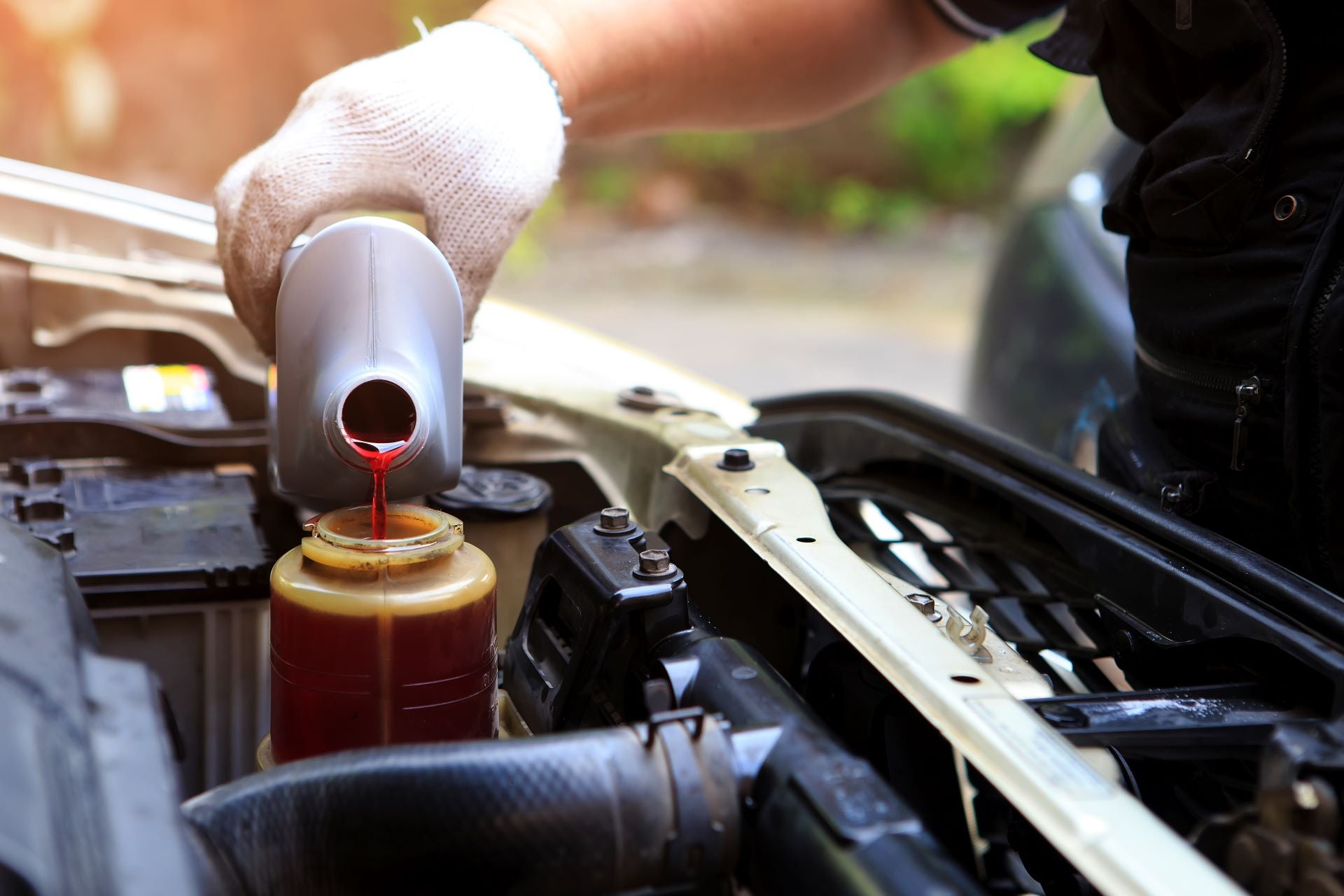
For those effortless turns and twists, thank the power steering fluid. Acting as a lubricant for your car’s power steering system, it ensures that steering remains smooth and responsive. Regular checks and top-ups are advised to avoid steering difficulties.
Benefits of Regular Maintenance
Maintaining optimal levels of car fluids and lubricants not only ensures smooth driving but offers several other benefits:
- Extended Lifespan: Proper fluid levels and timely replacements can significantly increase the lifespan of your vehicle.
- Cost Efficiency: Regular maintenance can help in identifying potential issues early, saving you from excessive repair costs in the future.
- Enhanced Safety: Properly maintained fluids reduce the risk of malfunctions, ensuring your safety and those around you.
How to Check and When to Change
While each car model might have its specific needs, a few general guidelines can help you maintain your vehicle:
- Regularly Monitor: Check fluid levels at least once a month. Most fluids can be checked using dipsticks or through reservoirs.
- Follow Manufacturer’s Recommendations: Always follow your vehicle’s manual for recommendations on when to change specific fluids.
- Stay Observant: Any change in vehicle performance, leaks, or unusual noises should be checked immediately.
Choosing the Right Car Fluids and Lubricants
- Quality Matters: When it comes to car fluids and lubricants, not all products are created equal. Investing in high-quality fluids can make a significant difference in your vehicle’s performance and longevity. It’s advisable to stick with reputable brands and, whenever possible, use products recommended by the vehicle’s manufacturer.
- Viscosity Counts: Especially for motor oils, viscosity, or the thickness of the fluid, is a critical factor. Your vehicle’s manual will mention the right viscosity level for your specific model. Ensure you adhere to this to optimize engine performance.
Environmental Considerations
With increasing awareness about environmental issues, many manufacturers are now offering eco-friendly car fluids and lubricants. These not only reduce the environmental footprint but can also enhance your vehicle’s efficiency.
Disposal of Used Fluids
Remember, most car fluids are harmful to the environment. Always ensure that you dispose of them at designated recycling or disposal centers. Never pour them into drains, on the ground, or in water bodies.
Common Myths and Misconceptions
- “All fluids are the same”: Different vehicles and models require specific types of fluids. Always check your vehicle’s manual before choosing one.
- “If it’s not broken, don’t fix it”: Waiting for a breakdown is a costly mistake. Regular maintenance is always cheaper than major repairs.
- “Coolant is only for summers”: Coolant plays a dual role. While it prevents overheating in summer, it also protects the engine from freezing during winter.
Synthetic vs. Conventional Fluids
Over the years, the debate between synthetic and conventional fluids has grown, particularly concerning motor oil. Conventional oils are derived directly from crude oil, whereas synthetic oils are chemically engineered.
Synthetic fluids generally offer better performance, protection against extreme temperatures, and a longer lifespan.
However, they come at a higher cost. It’s essential to weigh the benefits of synthetic fluids against their price and decide what’s best for your vehicle’s needs and your budget.
The Importance of Additives
Additives play a crucial role in enhancing the performance of car fluids. They help in cleaning, reducing friction, preventing rust, and stabilizing the fluid.
For instance, oil additives can prevent sludge build-up and reduce wear in the engine. While many high-quality fluids come with essential additives, it’s sometimes beneficial to add supplemental ones, especially in older vehicles or those operating in extreme conditions.
Always ensure you’re using the right additives for the specific fluid and the vehicle’s requirements.
Tackling Leaks
A minor leak might seem insignificant, but it can lead to substantial issues if left unchecked. Fluid leaks not only result in reduced efficiency but can also cause damage to other parts of the vehicle. If you notice any puddles, stains, or unusual wet spots under your car, it’s a red flag.
Regularly inspecting the vehicle’s undercarriage, consulting with professionals, and addressing leaks immediately can prevent more severe problems down the line.
Conclusion
Car fluids and lubricants play an indispensable role in ensuring that our vehicles run smoothly, safely, and efficiently. Regular maintenance, quality choices, and being observant of changes can significantly extend the lifespan of your vehicle and provide peace of mind.
As you now hold the keys to understanding the essence of car fluids, ensure you drive ahead with regular checks and timely replacements. Visit Yuma Honda today to explore a range of vehicles that prioritize performance and care!
Top Tips for Maintaining Your Car’s Safety Features

Key Takeaways
- Understanding the significance of each safety feature.
- Routine inspections and timely replacements.
- Importance of professional servicing for intricate features.
- The role of driving habits in maintaining safety functionalities.
- Updating tech-based safety systems.
Every car owner knows the significance of regular maintenance. But as cars evolve, it’s not just about changing oil or rotating tires; ensuring your car’s safety features are in top shape is pivotal. As always, safety comes first!
After all, these features not only safeguard you and your passengers but also enhance the overall driving experience. Need help figuring out where to start? We’ve got you covered with our top tips!
If you’re looking to upgrade your ride, drop by Yuma Honda for the latest in car safety technology.
Understand Each Safety Feature
Before you can maintain something, you need to understand it. Modern cars come equipped with a plethora of safety features.
From anti-lock braking systems (ABS) to advanced driver-assistance systems (ADAS) like lane departure warnings or adaptive cruise control, the list is extensive.
Familiarize yourself with what your car offers, its significance, and how it functions. An informed car owner is always a step ahead in maintaining these systems.
Regular Inspections Are Key
Your car’s safety features, much like any other part of your vehicle, need periodic checks. The basics include inspecting seatbelts for wear and tear, checking brake pads for thinning, and ensuring airbags are functional.
Make it a routine – every time you go in for an oil change, have a quick safety feature checkup.
Replace When Necessary
Some components, like brake pads or worn-out tires, need replacing after their lifespan. Don’t wait for an emergency to find out that they’re not performing optimally.
Being proactive can save not only money in potential repairs but also ensure you’re safeguarded in critical situations.
Professional Servicing for Complex Features
Tech-integrated safety systems such as blind-spot detection, parking sensors, and collision alert systems are intricate. While routine checks are great, these systems often require specialized diagnostic tools and expertise for accurate assessments.
Schedule regular visits to a trusted mechanic or service center that understands these systems inside out.
Mind Your Driving Habits
Believe it or not, how you drive can impact the longevity of your car’s safety features. Harsh braking, aggressive acceleration, or not using features like indicators can wear out systems faster or even make them redundant.
Adopting smoother driving techniques can prolong the life of these systems and maintain their efficacy.
Update Tech-Based Safety Systems
Just like your smartphone, certain cars’ safety features, especially the tech-based ones, might need software updates. Manufacturers occasionally roll out updates to improve performance, fix bugs, or add new functionalities.
Staying current with these updates can ensure optimal performance and enhance the safety of your vehicle.
Clean Sensors and Cameras Regularly
Many of today’s cars come with cameras and sensors that aid systems like rearview cameras, lane departure warnings, and parking assistance. Dust, dirt, or even mud can obscure their vision, leading to reduced performance or complete failure.
Ensure you clean these components regularly, especially after driving in adverse conditions. A simple wipe-down can often suffice.
Don’t Neglect Warning Lights
The dashboard warning lights are your car’s way of communicating potential issues. If a light related to any safety system illuminates, don’t ignore it.
It might indicate a malfunction or a system check requirement. Addressing these warnings promptly can prevent bigger problems down the line.
Educate Other Drivers
If you share your car with other family members or friends, ensure they are also aware of the significance of each safety feature and how to use them correctly. Misusing or being unaware of certain features can lead to premature wear or, worse, safety risks on the road.
Check the Tyre Pressure Regularly
One of the most basic yet overlooked aspects of car safety is tire pressure. Properly inflated tires not only help in achieving better fuel efficiency but also play a critical role in vehicle handling and preventing accidents.
Most vehicles today come with a tire pressure monitoring system (TPMS), which alerts you if the pressure drops below the recommended level.
Make it a habit to check the tire pressure during your routine checks and fill them to the manufacturer’s recommended PSI.
Prioritize Headlight and Taillight Maintenance
Good visibility is essential for safe driving. Over time, headlights and taillights can become foggy or dim. Regularly inspect them for brightness and clarity.
Consider replacing old bulbs with brighter, more efficient LED options. Additionally, ensure that your headlights are correctly aligned to prevent blinding oncoming drivers and optimizing your view of the road.
Stay Updated with Recalls
Manufacturers occasionally identify issues with certain car models that might affect their safety. These are usually addressed through recalls.
Ensure you’re registered to receive updates from your car manufacturer or regularly check their website for any recall notices. Acting promptly on these can be vital in maintaining the safety of your vehicle.
Child Safety Should Be Paramount
If you travel with children, it’s crucial to ensure their safety features are in top condition. Check the car seats for wear and tear, ensure they’re correctly installed, and always use the recommended seating position depending on the child’s age, weight, and height.
Also, remember to activate child locks if kids are seated in the back.
Secure Loose Items Inside the Car
While this might seem trivial, loose items in your car can become potential projectiles during abrupt stops or accidents.
Ensure that all items, especially heavy ones, are securely placed or stored. This not only keeps the cabin organized but significantly enhances safety during unexpected halts.
Regularly Refresh Your Knowledge
Last but not least, as a driver, continually refreshing your knowledge of road safety rules, new driving technologies, and best practices can be invaluable.
Attending periodic refresher driving courses or workshops can keep you updated, making you more confident and safe on the road.
Conclusion
Your car’s safety features are integral components designed to protect you, your passengers, and other road users.
By giving them the attention and care they deserve, you’re not only ensuring a longer lifespan for these features but also guaranteeing safer rides every time you hit the road.
Seeking more expert advice or looking to upgrade your car’s safety features? Visit Yuma Honda today for top-notch assistance and the latest in automotive safety technology.
Understanding Your Car’s Fuel Injection System

Key Takeaways
- The car’s fuel injection system is pivotal in delivering precise fuel amounts to the engine.
- Replacing carburetors, fuel injection offers better fuel efficiency and performance.
- Comprising components like fuel pumps, injectors, and sensors, it’s a complex yet crucial system.
- Regular maintenance ensures the longevity and efficiency of the system.
- Being informed about the system helps in timely diagnostics and repairs.
A car’s engine is the heart of the vehicle, and just like our hearts need blood, engines need fuel. But how is this fuel efficiently delivered to the engine to ensure optimum performance?
Enter the car’s fuel injection system – an ingenious mechanism revolutionizing modern automobiles.
Understanding this system can provide you valuable insights into your car’s performance and how to maintain it. Looking for a new ride? Check out the latest deals at Yuma Honda.
Understanding the Car’s Fuel Injection System
One marvel of modern automotive engineering stands out beneath the hood, governing both performance and efficiency: the car’s fuel injection system.
Evolution from Carburetors to Fuel Injectors
Before fuel injectors became the norm, cars primarily used carburetors. While carburetors mix air and fuel before introducing them to the engine’s cylinders, the car’s fuel injection system does this precisely and efficiently.
Fuel injectors ensure that the right amount of fuel is delivered at the right time, leading to better combustion, increased fuel efficiency, and improved performance.
Components of the Fuel Injection System
The car’s fuel injection system is a symphony of various components working together. Here’s a quick rundown:
- Fuel Pump: This draws fuel from the tank and pushes it towards the engine.
- Fuel Injectors: These valves spray the fuel into the engine in a mist form, allowing for better combustion.
- Sensors: These regulate the amount of fuel based on factors like engine temperature, air pressure, and throttle position.
- Fuel Pressure Regulator: This ensures the fuel injectors receive fuel at the correct pressure.
Benefits of a Fuel Injection System
Beyond the obvious improvement in fuel efficiency, the car’s fuel injection system offers:
- Consistent Performance: Regardless of the weather conditions or altitude, fuel injectors ensure your car’s engine gets the fuel it needs.
- Lower Emissions: With better combustion comes fewer pollutants. Fuel injection systems, thus, play a role in making cars more eco-friendly.
- Increased Engine Lifespan: Fuel injection systems reduce engine wear and enhance longevity by ensuring optimal fuel delivery.
Maintenance and Common Issues
Like any other part of your vehicle, the car’s fuel injection system needs regular maintenance. Some common issues include:
- Clogged Injectors: Over time, impurities in the fuel can lead to injector blockages. This can result in subpar engine performance.
- Faulty Sensors: If sensors don’t work correctly, they might deliver incorrect fuel quantities, affecting efficiency.
- Worn Out Pump: An old or malfunctioning pump might not supply enough fuel, leading to engine stalling or poor performance. Regular check-ups and cleaning can ensure that your fuel injection system works flawlessly, offering smooth rides and maximum efficiency.
Importance of Using Quality Fuel
Just as our body needs good quality food for optimum performance, your car’s fuel injection system requires quality fuel for efficient operation. Low-quality or adulterated fuels can lead to:
- Deposits: Impurities can cause deposits in the injectors, hampering the optimal spray pattern of the fuel.
- Wear and Tear: Contaminated fuel can increase wear on the pump and injectors.
- Reduced Efficiency: Over time, these issues can decrease the system’s overall efficiency, leading to more frequent visits to the mechanic.
How to Spot Problems with Your Fuel Injection System
Your vehicle often gives signs when there’s an issue with the car’s fuel injection system. Here are some symptoms to watch out for:
- Erratic Idling: If your car’s engine idles with fluctuations in RPM, fuel delivery might have issues.
- Poor Fuel Economy: A sudden drop in miles per gallon indicates possible problems.
- Difficulty Starting: Challenges in starting the car, especially during cold mornings, can be traced back to fuel delivery issues.
- Engine Misfires: If your engine doesn’t run smoothly or misfires occasionally, it’s time to inspect the fuel injection system.
The Future of Fuel Injection Systems
As technology advances, the car’s fuel injection system is also evolving. Engineers are constantly working to make them more efficient, adaptable, and environmentally friendly.
Some future advancements include:
- Direct Injection Technology: Injecting fuel directly into the combustion chamber for better fuel-air mixing.
- Variable Injection Timing: Adjusting fuel injection timing based on engine load and conditions to optimize performance.
- Ultra-Precise Multi-Point Systems: Multiple injectors can adjust the spray pattern based on real-time conditions.
The Rise of Electronic Fuel Injection (EFI)
Electronic Fuel Injection, often abbreviated as EFI, represents a significant leap in the evolution of fuel delivery systems. Unlike the older mechanical systems, EFI employs computer-controlled components to ensure precise fuel delivery.
The onboard computer, also known as the Engine Control Unit (ECU), collects data from various sensors to determine the exact amount of fuel required under varying conditions.
This level of precision ensures optimal performance and guarantees consistent fuel efficiency across different driving scenarios.
Understanding the Types of Fuel Injection
The car’s fuel injection system isn’t one-size-fits-all. Different types cater to varying needs:
- Throttle Body Injection (TBI): One or two fuel injectors are mounted on the throttle body and spray fuel into the combustion chamber. This system represents an intermediate step between carburetors and more advanced injection systems.
- Port Fuel Injection (PFI): This is more common in modern vehicles. Each cylinder gets its injector, ensuring a more uniform and precise fuel-air mixture.
- Direct Injection (DI): As mentioned earlier, DI injectors spray fuel directly into the combustion chamber. This provides even better efficiency and performance, especially in turbocharged engines.
Conclusion
Your car’s fuel injection system ensures peak performance, fuel efficiency, and engine longevity.
By understanding its significance and providing its maintenance, you can not only enjoy smooth drives but also save on long-term repair costs.
After all, knowledge is power; in this case, it’s the power to ensure your vehicle runs at its best for years to come.
Seeking more insights on car performance or thinking about a new purchase? Dive into Yuma Honda for expert advice and unbeatable deals.